Introduction
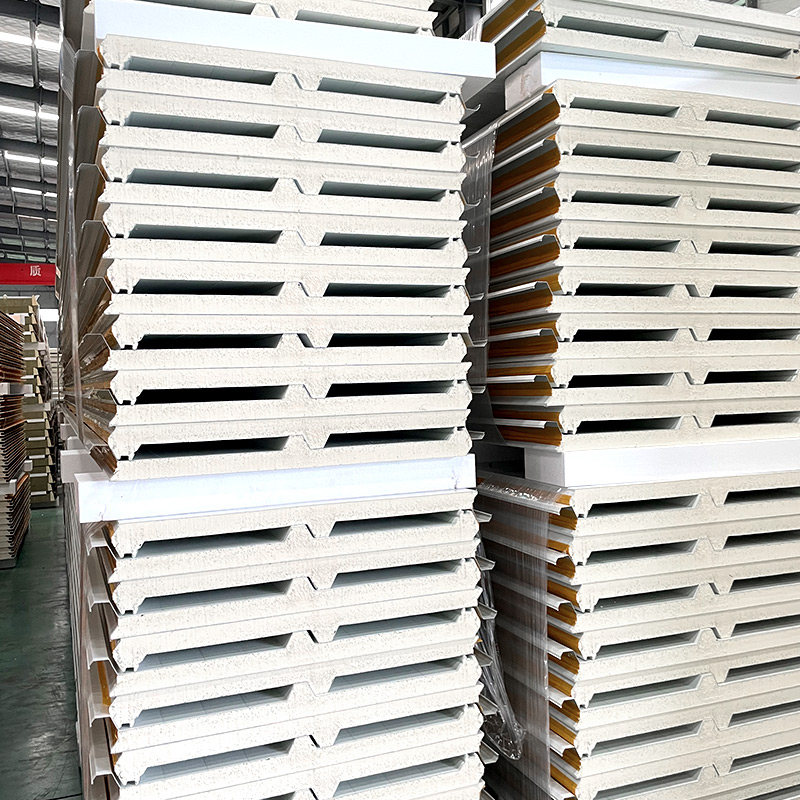
Modern building needs speed, efficiency, and strength. Traditional brick-and-mortar methods often fail to meet these demands in industrial settings. This is where sandwich panel construction changes the game. Essentially, it creates a structural "sandwich" by bonding two thin, stiff skins to a thick, insulating core. This combination results in a building component that is incredibly strong yet remarkably light.
Whether you are building a cold storage facility, a warehouse, or a modular home, understanding the nuances of this construction method is vital. It solves the headache of slow installation and poor thermal regulation. In this expert guide, we will break down the materials, structural benefits, and technical applications of the sandwich panel to help you make informed decisions for your next project.
Anatomy of a Sandwich Panel: How It Works
To understand sandwich panel construction, you must look at its three-part harmony. It works much like an I-beam. The outer faces take the tension and compression loads, while the core resists shear forces and provides insulation. This structural synergy allows for long spans without heavy internal support.
The magic happens in the bonding process. Manufacturers use high-strength adhesives to ensure the layers never delaminate. This creates a composite material that outperforms its individual parts. For example, a Lightweight aluminum skin by itself is flexible, but once bonded to a High density core, it becomes a rigid, load-bearing wall or roof element.
Component Breakdown
The Outer Skins: Usually made of Corrugated metal or steel, these protect the building from the elements. They handle wind loads and physical impacts.
The Insulating Core: This is the "meat" of the sandwich. It determines the thermal, acoustic, and fire-resistant properties of the panel.
The Joint System: Modern panels feature interlocking "tongue and groove" designs. They ensure a tight seal, preventing air leakage and thermal bridging.
Core Material Selection: Polyurethane vs. Fireproof Rock Wool
The choice of core material is the most critical decision in sandwich panel construction. It dictates how the building will perform over its lifetime. You must choose based on your specific needs: are you prioritizing thermal insulation or fire safety?
The Efficiency of Polyurethane (PU/PIR)
Polyurethane is the gold standard for thermal performance. It has an extremely low thermal conductivity, meaning it keeps heat out in the summer and warmth in during the winter. It is the go-to choice for cold rooms and temperature-controlled logistics centers. Because it is so effective, you can use thinner panels to achieve the same R-value as thicker traditional materials, saving precious interior space.
The Safety of Fireproof Rock Wool
In contrast, Fireproof rock wool is chosen when safety is the non-negotiable priority. Made from volcanic rock, it is naturally non-combustible. Architects specify this for high-risk industrial plants or buildings located in densely populated areas. While it is heavier than foam cores, its ability to act as a fire barrier is unmatched.
| Feature | Polyurethane (PIR) | Fireproof Rock wool |
| Insulation Value | Excellent (Highest R-value) | Good |
| Fire Resistance | Class B (Fire retardant) | Class A (Non-combustible) |
| Weight | Very Light | Heavy / High density |
| Moisture Resistance | High | Moderate |
| Best Use | Cold storage, Freezers | Power plants, Fire-rated walls |
Structural Advantages of Corrugated Metal Skins
The outer layer of a sandwich panel does more than just look good. When we use Corrugated metal skins, we add immense structural stiffness to the entire assembly. The ridges and valleys in the metal act as miniature ribs, preventing the panel from buckling under pressure.
These skins are typically coated with protective polymers to prevent rust. In coastal environments, specialized coatings are a must to resist salt spray. The metal faces also reflect solar radiation, which helps reduce the cooling load on the building's HVAC system.
Furthermore, Corrugated metal allows for excellent water runoff on roofing applications. The deep profiles can carry large volumes of rainwater toward gutters, preventing pooling and leaks. It is a reliable, time-tested material that provides a professional, industrial aesthetic while requiring very little maintenance over its 30-year lifespan.
Lightweight Aluminum: The Solution for Portable and Modular Designs
Sometimes, weight is the biggest enemy of a project. For mobile clinics, temporary shelters, or rooftop extensions, Lightweight aluminum sandwich panel systems provide the perfect balance. Aluminum is roughly one-third the weight of steel, making transportation and manual handling much easier.
Using Lightweight aluminum also means the building's foundation doesn't need to be as massive. This lowers the overall "dead load" of the structure. It is also naturally resistant to corrosion, which is why you see it used frequently in high-end architectural facades and marine environments.
Why Choose Aluminum Faces?
Ease of Installation: Small crews can often install these panels without heavy cranes.
Longevity: Aluminum develops a natural oxide layer that prevents deep rusting.
Recyclability: It is one of the most sustainable metals, fitting well into "green" building initiatives.
Aesthetics: It offers a sleek, modern finish that can be anodized in various colors.
Acoustic Perforated Panels: Solving Noise Challenges
Not all sandwich panel applications are about the weather. In noisy environments like factories, engine rooms, or indoor stadiums, noise pollution is a serious issue. This is where Acoustic perforated panels become essential.
Unlike standard panels that reflect sound, an Acoustic perforated skin allows sound waves to pass through the metal and die inside the insulating core (usually rock wool). This significantly reduces echoes and reverberation.
How Acoustic Perforation Works
The outer or inner skin is punched with thousands of tiny holes. When sound hits the panel, it enters these holes and gets trapped in the fibrous core. The energy of the sound is converted into a tiny amount of heat, effectively "soaking up" the noise.
Where to use them:
Power Plants: To protect nearby residents from turbine noise.
Gymnasiums: To stop the deafening "echo" during sporting events.
Production Lines: To protect workers' hearing from loud machinery.
High Density Cores and Impact Resistance
In high-traffic areas, a building takes a beating. Forklifts, pallets, and heavy equipment can easily dent a standard wall. To combat this, we utilize High density cores. These cores are packed more tightly, offering greater compressive strength.
A High density mineral wool or specialized foam core prevents the "oil-canning" effect (the rippling of the metal skin). It also makes the panel feel more solid to the touch, similar to a traditional masonry wall. If your building is a distribution center where bumps and scrapes are daily occurrences, investing in a higher density core will save you thousands in repair costs later.
The Construction Process: Fast-Track Assembly
One of the main reasons project managers love the sandwich panel is the speed of construction. In traditional building, you have to wait for concrete to cure or for multiple layers of insulation and cladding to be applied by different trades. With panels, the wall, insulation, and finish go up in one single step.
Step-by-Step Installation
Framework Preparation: We ensure the steel or concrete frame is perfectly level.
Base Flashing: We install a starter track to prevent moisture from entering the bottom of the panels.
Panel Lifting: Using vacuum lifters or cranes, the panels are positioned against the frame.
Interlocking: The male and female joints are pressed together.
Fastening: Special self-drilling screws secure the sandwich panel to the structural purlins.
Sealing: We apply mastics or gaskets to the joints to ensure a 100% airtight finish.
Environmental Impact and Thermal Efficiency
The modern construction world is obsessed with "U-values" and "Carbon footprints." The sandwich panel scores high in both categories. Because the insulation is continuous, there are no "cold spots" where energy can escape. This makes the building incredibly efficient to heat and cool.
They are also highly sustainable. Most metal skins contain recycled content, and the panels themselves are 100% recyclable at the end of the building's life. By reducing energy consumption for decades, these panels often pay for their carbon cost within just a few years of operation.
Conclusion
Sandwich panel construction is the ultimate solution for those who value speed, efficiency, and performance. By choosing the right combination of Polyurethane for heat, Fireproof rock wool for safety, or Acoustic perforated metal for noise, you can tailor a building to its exact purpose. It replaces the slow, multi-layered approach of the past with a streamlined, high-tech alternative.
FAQ
Q: How long does a sandwich panel building last?
A: With proper maintenance and the right coatings on the Corrugated metal skins, these buildings easily last 30 to 50 years.
Q: Are sandwich panels fireproof?
A: It depends on the core. Panels with a Fireproof rock wool core are non-combustible and offer the highest fire ratings. Polyurethane panels are fire-retardant but not fireproof.
Q: Can I use sandwich panels for residential homes?
A: Absolutely. They are becoming very popular in "tiny homes" and modern modular designs because they are Lightweight aluminum or steel-faced and provide amazing insulation.
Our Manufacturing Strength and B2B Solutions
At our facility, we take pride in being a global leader in prefabricated steel and panel solutions. We operate a world-class factory equipped with the latest continuous production lines, ensuring that every sandwich panel we produce meets rigorous international quality standards. We understand the high stakes of B2B projects, where deadlines and precision are everything.
Our strength lies in our versatility; whether you need high-volume Polyurethane panels for a massive warehouse or specialized Acoustic perforated solutions for an industrial plant, we have the capacity to deliver. We don't just supply materials; we provide comprehensive structural solutions backed by years of engineering expertise. We invite you to leverage our manufacturing power to make your next construction project faster, safer, and more cost-effective.


