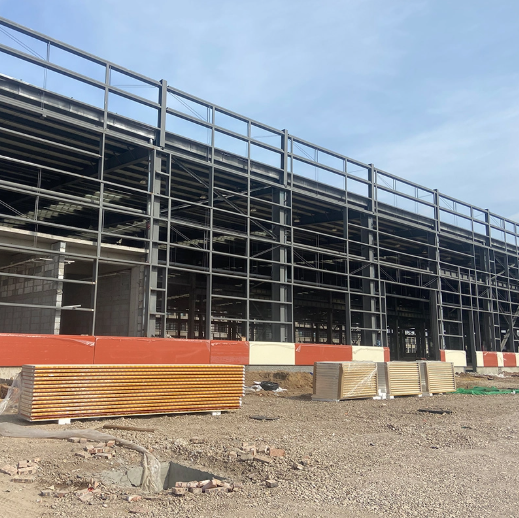
Have you ever wondered why prefabricated steel structure buildings are gaining popularity? These buildings offer unique benefits over traditional construction. In this article, you'll learn what prefabricated steel structure buildings are and why understanding different building types is crucial for making informed choices. Discover the advantages and differences that set these structures apart from other buildings.
Design and Construction Process
Modular vs. Prefabricated Steel Structures
Prefabricated steel structures and modular buildings share similarities but differ in key ways. Modular buildings are made up of large, factory-built modules, like puzzle pieces, which come together on site. Each module can represent a whole room or part of one. These modules are pre-finished and designed to fit perfectly when assembled.
Prefabricated steel structures, however, break down the building into smaller steel components rather than large modules. Designers first study the site carefully and create a plan tailored to it. Then, they split the building into many steel parts—beams, columns, and panels—manufactured in a factory. These smaller parts ship to the site and assemble like a giant steel puzzle, forming the building’s skeleton. This method allows more flexibility in design and adaptation to different site conditions.
Step-by-Step Construction Process
Site Analysis and PlanningEngineers survey the site to understand soil, weather, and space constraints. This helps tailor the steel structure design.
Design DevelopmentArchitects and engineers create detailed blueprints. These include structural steel components, connections, and architectural finishes.
Factory FabricationSteel parts—beams, columns, braces—are cut, shaped, and welded in a controlled factory environment. This ensures precision and quality control.
Quality ChecksEach steel component undergoes inspection for strength, dimensions, and finish before shipment.
Transportation to SiteSmaller steel parts ship to the construction site, ready for assembly.
On-Site AssemblySkilled workers bolt and weld steel components together, building the frame. This step is faster than traditional methods.
Installation of Panels and FinishesWall panels, roofing, insulation, and other finishes install after the frame is complete.
Final Inspection and CommissioningInspectors verify structural integrity and compliance with building codes before occupancy.
This process reduces weather delays and improves build speed. Since most fabrication happens indoors, quality stays consistent. The smaller steel parts also allow easier transport and on-site handling.
Tip: Plan for early collaboration between designers and fabricators to optimize steel part sizes and connections, speeding up on-site assembly and reducing errors.
Advantages of Prefabricated Steel Structures
Customization and Durability
Prefabricated steel structures offer unmatched customization compared to traditional buildings. Steel's flexibility lets designers create complex shapes and unique architectural features in a factory setting. This means you can get exactly the look and feel you want for your building, whether it's a warehouse, office, community center, or home.
Steel components can be finished in various textures and colors to mimic other materials. For example:
Steel roof panels can resemble shingles or asphalt.
Wall panels can be coated to look like brick or stone.
Interior spaces can be tailored for small offices or large open areas.
Unlike wood or concrete, steel maintains its strength over time without becoming bulky or heavy. Wood can warp, rot, or suffer termite damage, while concrete can crack or degrade. Steel resists fire, termites, mold, and extreme weather like high winds or earthquakes. This durability means lower maintenance costs and longer lifespan.
Environmental and Sustainability Benefits
Steel is one of the most recycled building materials worldwide, making it an eco-friendly choice. At the end of a building’s life, steel parts can be reused or melted down to create new steel products without losing strength or quality. This reduces waste and the need for raw materials.
Compared to concrete, steel manufacturing produces fewer toxic gases and less environmental pollution. Steel structures don’t emit carbon when exposed to fire, unlike wood, which burns and releases smoke and harmful gases.
Prefabricated steel buildings also provide tight seals around doors and windows, improving insulation. This reduces energy use for heating and cooling, lowering utility bills and carbon footprints.
In summary, prefabricated steel structures combine design freedom, long-term durability, and strong environmental advantages. They provide a sustainable, cost-effective alternative to conventional building materials.
Comparison with Conventional Building Materials
Steel vs. Wood
When comparing prefabricated steel structures to wood buildings, several key differences stand out. Steel offers a much higher strength-to-weight ratio than wood. This means steel frames are stronger yet lighter than wooden ones. Wood can warp, crack, or rot over time, especially when exposed to moisture or pests like termites. Steel resists these issues, maintaining its shape and strength for decades without warping or decay.
Steel’s fire resistance is another major advantage. Unlike wood, steel does not ignite or fuel fires, making steel buildings safer in case of fire. Wood structures require treatments and maintenance to reduce fire risk. Steel also withstands extreme weather better—high winds, heavy snow, or earthquakes cause less damage to steel frames than wooden ones.
In terms of assembly, steel parts are factory-cut and drilled for precise fitting. This reduces on-site errors and speeds up construction. Wood framing often requires more manual cutting and fitting, increasing labor time and potential mistakes.
Steel vs. Concrete
Steel and concrete are both popular for strong, durable buildings, but they differ in many ways. Concrete is heavy and bulky, making it harder to transport and install. Steel components are lighter and easier to handle, which speeds up construction.
Concrete can crack over time due to temperature changes or ground movement, requiring repairs. Steel frames flex slightly under stress, reducing cracking risks. Steel also offers more design flexibility, allowing for longer spans and open interior spaces without thick support walls.
Environmental impact is another consideration. Concrete production emits large amounts of carbon dioxide, contributing to climate change. Steel manufacturing uses energy but benefits from high recyclability; steel can be recycled indefinitely without loss of quality. Prefabricated steel structures also create less waste on-site compared to concrete pouring.
Fire resistance differs, too. Concrete is naturally fireproof but heavy and slow to build. Steel, while not fireproof, can be treated with fire-resistant coatings. Steel structures retain strength longer during fires compared to light wood framing.
Summary Table of Key Differences
| Feature | Steel | Wood | Concrete |
| Strength-to-Weight | High | Moderate | High (but heavy) |
| Durability | Resists rot, pests, warping | Susceptible to rot, pests | Durable but can crack |
| Fire Resistance | Non-combustible, needs coating | Combustible | Naturally fireproof |
| Construction Speed | Fast, prefabricated parts | Slower, on-site cutting | Slow, curing time required |
| Environmental Impact | Highly recyclable | Renewable but less durable | High CO2 emissions |
| Design Flexibility | High | Moderate | Limited by weight |
Tip: When choosing materials, consider your project’s location and climate; steel’s resistance to pests, fire, and weather often makes it the smarter long-term choice over wood and concrete.
Economic Benefits of Prefabricated Steel Buildings
Cost Reduction
Prefabricated steel buildings offer significant cost savings compared to traditional construction methods. Since most steel components are manufactured in a factory, the process reduces labor costs on-site. Factory-controlled production minimizes errors and waste, cutting material costs as well.
Transportation costs also decrease because prefabricated steel parts are designed for easy shipment and quick assembly. Unlike conventional construction, which often requires multiple deliveries of raw materials, prefabricated steel components arrive ready to install. This streamlined logistics reduces hauling expenses and site clutter.
Additionally, steel's durability lowers long-term maintenance expenses. Steel resists pests, rot, and fire damage, unlike wood or concrete, which may require frequent repairs. This durability translates into fewer repairs and replacements, saving money over the building's lifespan.
Efficiency and Speed of Construction
Speed is a major benefit of prefabricated steel buildings. Factory fabrication runs parallel to site preparation, meaning the foundation and groundwork can be completed while steel parts are being made. This overlap shortens the total project timeline.
Once steel components arrive on-site, assembly is fast and straightforward. The parts fit together like a puzzle, requiring fewer workers and less time than traditional stick-built or concrete construction. This rapid assembly reduces labor hours and associated costs.
Moreover, prefabricated steel structures are less affected by weather delays. Since most fabrication occurs indoors, production continues regardless of rain or snow. On-site assembly also moves quickly, minimizing downtime caused by bad weather.
Faster construction means earlier project completion, allowing businesses to start operations sooner and generate revenue faster. It also reduces financing costs since loans and interest accrue over a shorter period.
Applications of Prefabricated Steel Structures
Commercial and Industrial Uses
Prefabricated steel structures are widely used in commercial and industrial sectors due to their strength, flexibility, and speed of construction. Warehouses, factories, and distribution centers benefit greatly from steel's ability to span large open spaces without needing many internal supports. This allows for efficient layouts and easy movement of goods and machinery.
Retail stores and office buildings also make use of prefabricated steel frameworks. These structures can be customized to fit specific design needs, including multiple floors, unique facades, and energy-efficient features. Steel's durability means these buildings withstand heavy foot traffic and equipment use over time.
Industrial facilities such as aircraft hangars, manufacturing plants, and cold storage units rely on steel structures for their resistance to harsh environments. Steel resists corrosion when properly treated, making it ideal for facilities exposed to chemicals, moisture, or extreme temperatures.
Prefabricated steel buildings also allow for quick expansion or modification. Companies can add new sections or reconfigure spaces with minimal downtime, which is crucial in fast-paced commercial and industrial environments.
Residential and Community Buildings
Beyond commercial use, prefabricated steel structures are increasingly popular for residential and community buildings. Steel homes offer safety benefits, especially in areas prone to natural disasters like earthquakes, hurricanes, or wildfires. Their resistance to pests and mold also means lower maintenance and healthier living spaces.
Community centers, schools, and recreational facilities benefit from steel’s design flexibility. Architects can create open, inviting spaces that meet community needs while ensuring structural integrity. Prefabricated steel allows for faster construction, reducing disruption to local activities.
Modular steel components also enable affordable housing projects to be built quickly and sustainably. Prefabricated steel homes can be designed to meet energy efficiency standards, helping reduce utility costs for residents.
In summary, prefabricated steel structures serve a broad range of building types. Their adaptability, strength, and speed make them ideal for commercial, industrial, residential, and community applications.
Future Trends in Prefabricated Steel Structures
Technological Advancements
Prefabricated steel structures are evolving rapidly thanks to new technologies. Building Information Modeling (BIM) plays a big role by allowing architects and engineers to create detailed 3D digital models. These models improve precision, reduce errors, and help coordinate fabrication and assembly steps seamlessly.
Automation in steel fabrication is also advancing. Robots and CNC machines cut, shape, and assemble steel parts faster and more accurately than ever. This reduces production time and labor costs while maintaining high quality.
Smart sensors and IoT (Internet of Things) devices are being integrated into steel buildings. These sensors monitor structural health, temperature, and energy use in real time. This data helps owners maintain buildings better and optimize energy efficiency.
Advanced materials, such as high-strength, lightweight steel alloys, are becoming more common. These materials allow for slimmer, lighter structures that still meet strength requirements, saving on transportation and assembly costs.
Sustainability innovations continue, too. New coatings and treatments improve corrosion resistance and fire protection without harmful chemicals. Prefabricated steel components increasingly incorporate recycled materials, further reducing environmental impact.
Market Growth Predictions
The prefabricated steel building market is growing fast worldwide. Industry reports predict global market value will more than triple in the next decade, driven by demand for industrial, commercial, and residential buildings.
Rapid urbanization and infrastructure development boost demand for quick, cost-effective construction methods. Prefabricated steel structures fit this need perfectly by cutting build time and providing durable, flexible buildings.
Government policies promoting green construction also support steel building growth. Steel’s recyclability and energy efficiency align well with environmental standards and carbon reduction goals.
Emerging markets in Asia, Africa, and Latin America offer huge opportunities. These regions require affordable, scalable building solutions for housing, schools, and factories. Prefabricated steel structures provide an ideal answer.
Technological improvements and market expansion create a positive feedback loop. As more builders adopt prefabricated steel, manufacturers invest in better tech and production capacity, lowering costs and accelerating adoption.
In short, prefabricated steel structures are set to become the standard for many building types, combining speed, quality, and sustainability.
Conclusion
Prefabricated steel structures stand out for their flexibility, strength, and eco-friendliness compared to traditional wood and concrete buildings. They offer superior durability and faster construction times. The future of prefabricated steel buildings looks promising, with technological advancements and growing market demand. As a leader in this field, Beijing Prefab Steel Structure Co., Ltd. provides innovative solutions that combine speed, quality, and sustainability. Their products deliver exceptional value by ensuring efficient construction and long-lasting performance.
FAQ
Q: What are prefabricated steel structure buildings?
A: Prefabricated steel structure buildings are constructions made from factory-manufactured steel components, assembled on-site to form the building's framework.
Q: How do prefabricated steel structure buildings compare to modular buildings?
A: Prefabricated steel structure buildings use smaller steel components, offering more design flexibility than modular buildings, which consist of larger pre-finished modules.
Q: Why choose prefabricated steel structure buildings over wood or concrete?
A: Prefabricated steel structure buildings resist fire, pests, and extreme weather, offer faster construction, and are more environmentally friendly due to high recyclability.
Q: What are the cost benefits of prefabricated steel structure buildings?
A: Prefabricated steel structure buildings reduce labor, transportation, and maintenance costs, providing a cost-effective alternative to traditional construction methods.


