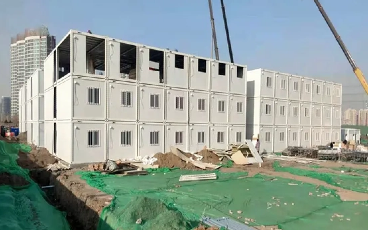
Urbanization is reshaping the way people live. Cities continue to expand as more individuals move into them, drawn by opportunities in employment, education, and social life. While this shift has created vibrant hubs of culture and innovation, it has also intensified one of the greatest modern challenges: housing. With limited land, rising construction costs, and growing environmental concerns, traditional housing development often struggles to keep pace with demand. In response to these pressures, prefabricated houses—commonly referred to as prefab houses—are gaining momentum as a practical and forward-looking solution.
Unlike conventional homes that are built entirely on-site, prefab houses are manufactured in factories and transported to their final locations for assembly. This process, once associated with temporary or low-cost shelters, has evolved dramatically in recent decades. Today, prefab homes stand as compact, stylish, and highly functional living spaces that meet the expectations of modern urban dwellers. They combine efficiency with comfort, proving that living in a smaller footprint does not mean sacrificing quality or aesthetics.
Why Cities Need Prefab Housing
The demand for housing in urban centers has reached unprecedented levels. Land is scarce, apartments are expensive, and construction timelines are often measured in years. In such an environment, traditional housing methods leave many people priced out or forced into overcrowded spaces. Prefab houses offer a way to break this cycle. Their ability to be produced quickly and affordably makes them particularly well suited to cities where both time and money are at a premium.
Prefab houses also answer the problem of limited land availability. Urban plots are often irregular and small, yet prefab units can be designed in compact dimensions that make use of every inch. Instead of sprawling layouts, these homes rely on clever design to deliver comfortable living in smaller spaces. For city governments and planners, prefab solutions provide an opportunity to create housing projects that are both fast to deploy and easier to regulate, especially when entire communities can be constructed using modular systems.
The growing emphasis on sustainability in urban development further strengthens the case for prefab housing. Because they are factory-built, these homes reduce waste during construction and allow for the integration of energy-efficient materials and systems. At a time when cities are striving to lower carbon emissions and promote green building practices, prefab houses emerge as a natural fit for the future.
Compact Living Made Comfortable
When people think of city living, compactness is often the first idea that comes to mind. Apartments and houses in urban areas are rarely large, and efficient use of space is essential. Prefab houses excel in this regard because they are designed from the outset to maximize functionality within limited footprints.
Modern prefab designs frequently incorporate open layouts that eliminate unnecessary walls and create a sense of spaciousness. Living rooms may flow into kitchens, and multipurpose areas serve as both workspaces and dining zones. Clever use of vertical space is also common, with lofted bedrooms, mezzanines, and built-in storage reducing clutter while increasing usable room. Natural light plays a key role in making compact homes feel more expansive, which is why many prefab designs feature large windows, glass doors, or skylights that allow daylight to flood the interior.
Rather than feeling like compromises, these compact layouts often enhance urban lifestyles. Residents discover that smaller, thoughtfully designed spaces are easier to maintain and more sustainable, all while providing everything needed for daily comfort. Compact prefab houses reflect a shift in mindset where quality of design matters more than sheer size.
Stylish Designs for Modern Tastes
One of the most significant transformations in the prefab industry has been its embrace of style. In the past, prefab homes were seen as boxy, plain, or even unattractive. Today, however, they rival and often surpass traditional housing in aesthetics. This evolution is particularly important in urban environments, where homeowners and renters are highly conscious of design and presentation.
Architects and manufacturers are now producing prefab houses that embody modern styles. Minimalist aesthetics are popular, with clean lines, simple geometries, and neutral palettes that blend seamlessly into cityscapes. Sleek exteriors finished with steel, glass, and wood create an urban chic appearance, while interiors are tailored for elegance and comfort. Customization plays a major role as well, allowing residents to select finishes, layouts, and colors that reflect their personal preferences.
The result is that prefab houses no longer carry the stigma of being temporary solutions. Instead, they are embraced by younger generations and professionals who value not only practicality but also the lifestyle appeal of a stylish home. In compact city settings, a well-designed prefab house stands out as a statement of modern living.
Functionality That Supports Urban Life
Urban residents require homes that go beyond providing shelter. Daily life in a fast-paced city demands convenience, adaptability, and durability. Prefab houses are increasingly designed with these needs in mind.
Functionality is woven into every aspect of the home, from smart layouts to integrated technology. Many prefab houses are equipped with modern systems that allow residents to control lighting, heating, and security through mobile devices. Energy efficiency is another defining feature, with high-quality insulation, double-glazed windows, and renewable energy options like rooftop solar panels helping to reduce monthly bills.
Durability is also a central consideration. Prefab houses are not disposable structures; they are built with materials that can withstand years of use, even in demanding urban environments. More importantly, these houses are adaptable. Modular designs allow homeowners to expand their living spaces when needed, adding new sections or reconfiguring interiors to suit changing family requirements. Such flexibility is invaluable in cities where personal and professional lives evolve quickly.
Sustainability as a Core Principle
Cities around the world are under increasing pressure to adopt sustainable building practices. Prefab housing naturally aligns with these goals because of the way it is manufactured and the materials it uses. Constructing homes in controlled factory environments dramatically reduces waste compared to traditional building sites. Precision cutting ensures that raw materials such as steel, wood, and composites are used efficiently, minimizing leftover scraps.
Furthermore, prefab houses often incorporate sustainable building materials. Recycled steel, responsibly sourced timber, and innovative eco-friendly composites form the backbone of many designs. Beyond construction, sustainability extends into the operational life of the home. Features such as rainwater collection systems, energy-efficient heating and cooling, and even green roofs make prefab houses environmentally conscious long after they are assembled.
For city planners and residents alike, this level of sustainability is more than a bonus—it is a necessity. As climate change concerns intensify, prefab homes offer a housing solution that is not only functional and stylish but also responsible.
Affordability and Accessibility
Perhaps the most compelling reason for the growth of prefab houses in cities is affordability. Urban housing prices are soaring globally, creating barriers for young people, families, and middle-income earners who aspire to own homes. Prefab houses lower these barriers by reducing the costs associated with traditional construction.
The factory-based approach streamlines production, which cuts down on labor and material expenses. Construction times are also shorter, meaning that financing costs and project overheads are reduced. These savings are passed on to buyers, making prefab homes significantly more affordable than conventional alternatives. For governments and developers, prefab housing provides an opportunity to create large-scale affordable housing projects that meet community needs without exceeding budgets.
Accessibility goes beyond cost. Because prefab homes can be transported and assembled quickly, they are well suited to addressing urgent housing shortages in rapidly growing urban areas. They also offer flexible options for those who cannot afford large apartments but still want independent, private living spaces.
The Global Urban Prefab Movement
The shift toward prefab housing is not confined to a single region but is visible worldwide. In Japan, for instance, prefab houses are designed to withstand earthquakes while fitting neatly into tight city plots. In Sweden and other parts of Scandinavia, prefab homes emphasize sustainability and energy efficiency, echoing cultural priorities for eco-friendly living. The United States has seen the rise of the tiny home movement, many of which are prefabricated to provide affordable alternatives to traditional urban housing. Meanwhile, in China, prefab construction is rapidly scaling up to meet the enormous housing demands of its expanding cities.
These examples highlight the versatility of prefab homes. They can be adapted to different climates, cultural preferences, and regulatory environments, making them a truly global solution for urban housing challenges.
Overcoming Challenges
Despite their many advantages, prefab houses are not without obstacles. Regulatory frameworks in some cities have not caught up with prefab technology, creating delays in permits or approvals. Public perception can also pose difficulties, as some people still associate prefab housing with outdated or temporary structures. Logistics present another challenge, especially when transporting large prefab modules into congested urban areas.
Financing is yet another hurdle. Some financial institutions remain hesitant to provide mortgages for prefab homes, often due to outdated lending criteria that do not reflect modern construction methods. Overcoming these barriers requires collaboration between governments, developers, and manufacturers to update policies, educate the public, and showcase successful prefab projects.
The Future of Urban Prefab Living
Looking ahead, the role of prefab houses in urban environments is set to expand dramatically. Advances in technology, including large-scale 3D printing and AI-driven design, will further reduce costs and accelerate production. As smart cities develop, prefab houses will integrate seamlessly into connected urban ecosystems, interacting with energy grids, public transportation, and digital infrastructure.
Prefab houses are also likely to evolve in terms of scale. While they currently serve individuals and small families, future projects may encompass entire neighborhoods of prefab housing, designed to promote community interaction, sustainability, and shared resources. Luxury prefab homes will also grow in popularity, proving that prefabrication can deliver high-end living experiences as well as affordable housing solutions.
Conclusion
Prefab houses have evolved into compact, stylish, and highly functional homes that meet the unique demands of urban living. They address critical issues such as limited land, high costs, and sustainability while providing residents with attractive and comfortable living spaces. Far from being a temporary alternative, they are emerging as a central component of the future city landscape.
The rise of prefab houses signals a shift in how we think about homes in dense urban areas. They demonstrate that modern housing can be affordable, efficient, and environmentally responsible without compromising design or quality of life. As more cities embrace this model, prefab housing will play an essential role in shaping the urban environments of tomorrow.
In this growing field, companies like Beijing Prefab Steel Structure Co., Ltd. are leading the way by offering innovative designs and reliable construction solutions. Their expertise ensures that prefab housing continues to move forward, providing city residents with homes that are not only functional but also stylish and perfectly adapted to the challenges of modern urban living.


