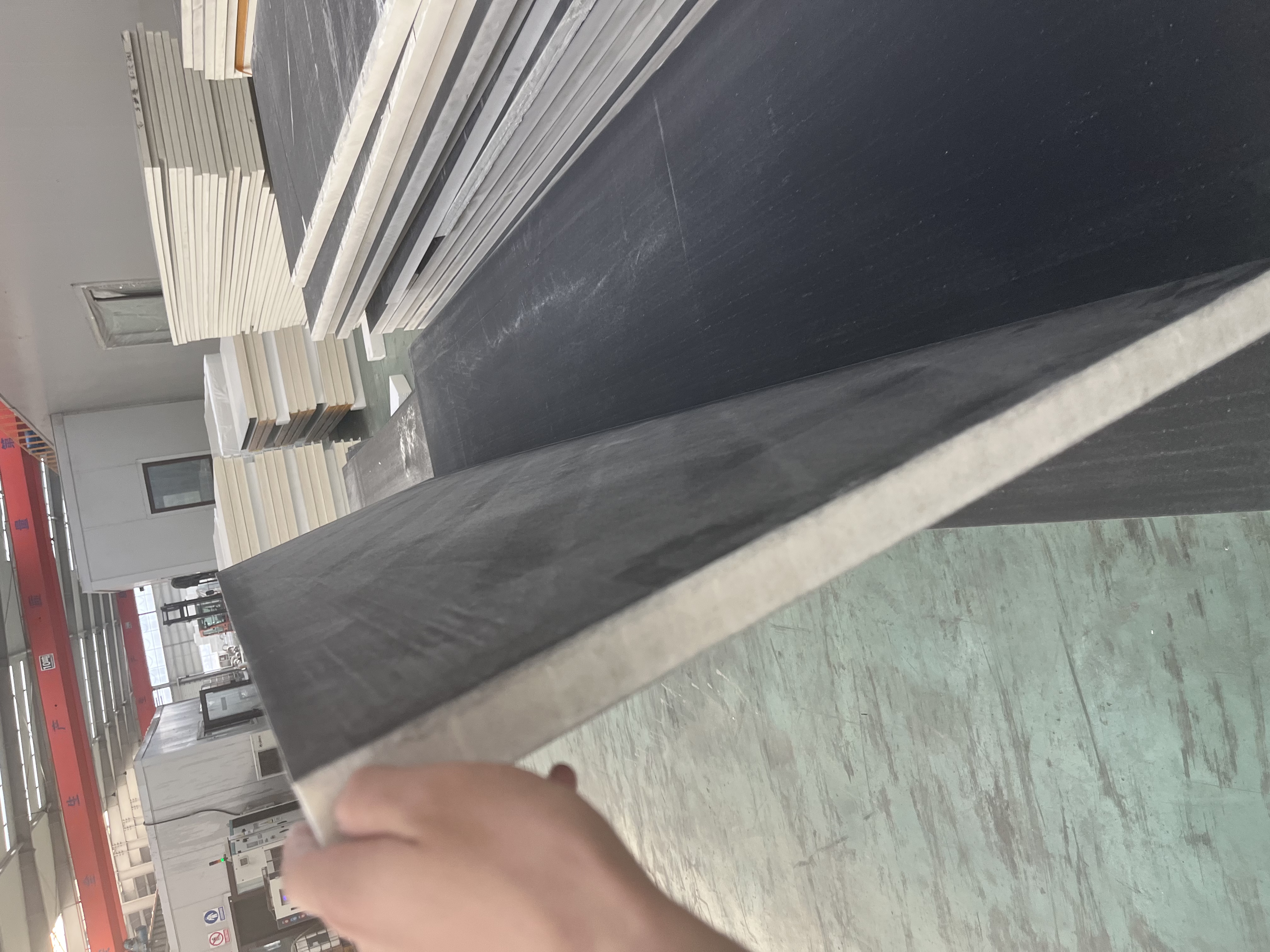
Polyurethane is widely recognized for its high-performance insulation properties in modern construction. Yet, B2B buyers and project engineers require more than basic product descriptions to guarantee code compliance and structural integrity. You need precise chemical and structural specifications before making procurement decisions.
Failing to understand specific core formulations, outer skin materials, and chemical additives carries major risks. You might inadvertently specify panels prone to UV degradation, fail strict fire safety audits, or suffer from severe thermal bridging. These oversights compromise building envelopes and lead to expensive retrofits.
We provide a transparent, engineering-level breakdown of the raw materials and structural components dictating panel performance. You will learn exactly how modern manufacturing processes shape these advanced composites. This guide equips you to confidently evaluate and select the right PU sandwich panels for your next project.
Key Takeaways
Core Chemistry: PU panels rely on a closed-cell chemical foaming process (polyol and isocyanate) that delivers exceptional thermal resistance (R-Value > 4.0/inch).
Structural Composition: The classic "sandwich" structure combines high-density PU foam (35–55 kg/m³) with rigid outer skins (galvanized steel, aluminum, or specialized textures) for maximum shear strength and a 95% weight reduction compared to masonry.
Safety & Durability Additives: Premium panels utilize specific UV stabilizers (HALS) and inorganic flame retardants (like ATH) to achieve ASTM E-84 Class A fire ratings.
Sourcing Priority: Evaluating a sandwich panels manufacturer requires looking past the core material to their production methods (continuous vs. discontinuous lines) to guarantee consistent panel density.
The Core Chemistry: Formulating Polyurethane Foam
To understand performance, we must examine the molecular foundation. The primary core material is not a generic plastic. It is a highly engineered thermosetting polymer.
The Primary Reaction
Engineers create the polyurethane core by casting a polyurethane prepolymer. They combine two critical chemical components during manufacturing:
Polyol: This resin blend contains carbon, hydrogen, and oxygen. It acts as the structural backbone for the foam matrix.
Isocyanate: This reactive component contains carbon, hydrogen, and nitrogen. It initiates the rapid curing process when mixed.
When these two liquids mix under high pressure, an exothermic chemical reaction occurs. The mixture expands rapidly to fill the panel cavity and bonds instantly to the outer layers.
Closed-Cell Structure & Physics
This chemical foaming process creates a rigid closed-cell structure. Countless micro-bubbles trap environmentally safe blowing agents inside the foam. This specific architecture provides the engineering basis for exceptional performance.
Because the cells remain fully enclosed, they block heat transfer completely. This delivers an extremely low thermal conductivity rating, typically hovering between 0.024 and 0.030 W/(m·K). Furthermore, the lack of interconnected voids ensures a negligible water absorption rate. High-quality mixtures can achieve absorption rates as low as 0.1%.
Density Specs for Evaluation
Core density directly dictates mechanical strength and insulation value. Buyers must evaluate density specifications carefully before approving structural designs.
Density Range | Performance Characteristics | Best Application |
Below 35 kg/m³ | Lower weight, reduced compressive strength. Susceptible to denting under heavy loads. | Non-load-bearing interior partitions. |
35–55 kg/m³ | Optimal balance of high shear strength, thermal resistance, and lightweight profiles. | Commercial grade structural panels, cold storage, cleanrooms. |
Above 55 kg/m³ | Extreme rigidity but diminished insulation value due to less trapped gas. | Heavy industrial floors requiring forklift traffic. |
We advise buyers to verify foam density consistently ranges between 35–55 kg/m³. This sweet spot balances weight savings and load-bearing capacity for commercial-grade structural panels.
The "Sandwich" Architecture: Outer Skins and Bonding Layers
The core alone lacks the tensile strength required for building envelopes. Engineers solve this by utilizing composite material mechanics.
Origin & Evolution
Invention: Product developers introduced these composite panels in the early 1960s.
Design Goal: They sought to marry the unmatched thermal insulation of polyurethane foam with the robust tensile strength of rigid metal faces.
Evolution: Early panels served basic industrial roles. Modern iterations feature advanced coatings and architectural textures suitable for high-end facades.
Skin Material Options
The outer layers dictate environmental resistance and visual aesthetics. You can specify various materials based on project demands.
Metal facings remain the industry standard for functional facilities. Galvanized steel and aluminum skins dominate cold storage, cleanrooms, and industrial building envelopes. These metals resist corrosion, withstand heavy impacts, and provide a hygienic, easy-to-clean surface.
Aesthetic and textured facings serve commercial and residential architectural projects. Manufacturers now utilize high-definition textured layers. For example, 3D PU stone panels utilize biological reproduction molding. This technique perfectly mimics natural stone textures while maintaining a lightweight composite structure.
Mechanical Advantages
The resulting sandwich structure functions like an engineering I-beam. The rigid skins carry tension and compression loads. Meanwhile, the high-density foam core resists shear forces. This composite synergy delivers incredible durability.
The surface achieves a wear resistance 3–5 times higher than standard commercial rubber. Yet, the entire assembly remains exceptionally lightweight. This achieves a 95% weight reduction compared to traditional masonry. You significantly reduce structural reinforcement costs. Furthermore, lightweight panels enable rapid 20-35 sq.m daily installation rates per worker, streamlining project timelines.
Critical Additives: Flame Retardants, UV Stabilizers, and Colorants
A bare chemical core degrades under sunlight and poses fire risks. Premium manufacturers incorporate specialized additives to ensure safety and longevity.
Fire Rating Compliance (ASTM E-84)
Building codes require strict fire rating compliance. The ASTM E-84 test measures surface burning characteristics, categorizing materials into Class A or Class B ratings.
Panels achieve these ratings through targeted chemical intervention. Premium formulations utilize inorganic flame retardants. Aluminum Trihydroxide (ATH) is a prime example. When exposed to high heat, ATH undergoes an endothermic reaction and releases water vapor. This effectively cools the material and suppresses smoke.
We strongly warn buyers to avoid halogenated compounds. Many budget panels rely on controversial brominated retardants to pass basic tests. These chemicals can emit toxic corrosive gases during a fire. Always demand ATH or equivalent inorganic retardants for optimal safety profiles.
UV and Weathering Protection
Exterior applications face relentless solar radiation. Ultraviolet light attacks polymer chains directly. Without protection, polyurethane resins degrade, become brittle, and exhibit severe yellowing.
Engineers solve this by integrating comprehensive UV protective coatings. They utilize a dual-action defense system:
UV Absorbers: These compounds intercept harmful UV rays and safely convert them into harmless low-level heat.
Hindered Amine Light Stabilizers (HALS): These act as chemical scavengers. They hunt down and neutralize free radicals before the resin degrades.
Color Fastness
Fading facades ruin commercial building aesthetics. Cheap organic dyes break down quickly under harsh outdoor environments. Reputable manufacturers specify inorganic and mineral pigments instead.
Titanium dioxide provides brilliant white tones and blocks UV penetration. Iron oxide delivers stable earth tones. These mineral pigments ensure long-term chroma retention, keeping your building envelope vibrant for decades.
Application Variations: Standard PU vs. Rockwool PU Sandwich Panel
No single panel design suits every global construction project. You must align core materials with specific environmental and regulatory demands.
Defining the Baseline
Standard pure polyurethane serves as the ultimate baseline. It is the optimal choice for maximum thermal insulation and lightweight applications. Its superior R-Value and moisture resistance make it a versatile workhorse.
The Hybrid Solution
Some projects demand strict non-combustible fire ratings beyond standard capabilities. In these scenarios, you should introduce the Rockwool PU Sandwhich Panel. This hybrid design utilizes a mineral wool core while incorporating PU edge-sealing.
Traditional mineral wool provides excellent fire resistance but absorbs moisture easily. Moisture destroys insulation values. By sealing the panel edges with high-density polyurethane, manufacturers create a waterproof barrier. This design physically blocks moisture intrusion and stops edge-related thermal bridging.
Evaluation Framework
Use the following criteria to specify the correct panel technology:
Decision Factor | Choose Pure PU Panels | Choose Rockwool PU Panels |
Thermal Insulation | Maximum R-Value priority. Cold chain facilities. | Moderate insulation acceptable. |
Moisture Levels | Moisture-heavy environments. Closed-cell waterproof nature excels. | Dry to moderate humidity environments. PU edges protect the core. |
Fire & Acoustic Requirements | Standard commercial fire codes (Class A/B). | Extreme fire resistance (non-combustible core) and acoustic dampening required. |
How to Evaluate a Sandwich Panels Manufacturer Based on Production Method
The finest chemical formulation means nothing if manufacturing processes fail. Finding a reliable sandwich panels manufacturer requires looking closely at their production infrastructure. The equipment dictates final product quality.
Continuous vs. Discontinuous Lines
You must understand the fundamental differences in manufacturing technology.
Continuous production lines represent the gold standard. These automated systems inject liquid foam dynamically between constantly moving top and bottom skins. As the panel moves down the line, the foam expands and cures under controlled heat and pressure. This dynamic process results in uniform core density across the entire length. It eliminates cold spots, ensures a structurally superior bond, and supports faster volume fulfillment.
Conversely, discontinuous lines operate piece by piece. Workers load precut skins into a stationary press and inject foam into the closed mold. This method remains acceptable for small batches or complex custom shapes. However, discontinuous production is highly prone to inconsistent curing, uneven density, and significantly slower lead times.
BoFU Sourcing Advice
Procurement teams must move past glossy marketing brochures. Ask targeted questions during vendor qualification. Always ask potential manufacturers about their primary line type. Require them to specify if they utilize continuous technology for high-volume structural orders.
Next, demand third-party ASTM testing reports. Never accept blanket "fireproof" marketing claims without verifiable laboratory documentation. Check the exact flame retardants listed on their technical data sheets.
Finally, verify their Volatile Organic Compound (VOC) emission data. Premium polyurethane panels cure completely during manufacturing, becoming inert. They often emit 100 times fewer harmful substances than alternative fiberglass or sprayed insulations. This exceptionally low emission profile directly supports stringent LEED and corporate ESG goals.
Conclusion
A high-performance PU sandwich panel represents far more than simple building material. It stands as a highly engineered composite born from precise reactive chemistry, structural metal facings, and targeted protective additives. Each layer plays an indispensable role in ensuring structural integrity, thermal efficiency, and code compliance.
Theoretical evaluations must now transition into practical assessments. We encourage project engineers and procurement managers to request physical product samples immediately. Demand comprehensive technical data sheets (TDS) detailing core densities and flame retardant types. Finally, solicit specific project quotes from thoroughly vetted manufacturers operating continuous production lines. These active steps guarantee you secure the exact material specifications your project demands.
FAQ
Q: Are the chemicals used in PU sandwich panels toxic?
A: Once the polyol and isocyanate fully react and cure during manufacturing, the resulting polyurethane is completely inert and non-toxic. The final solid material boasts extremely low VOC emissions. This stability makes it perfectly safe for sensitive environments like cleanrooms, hospitals, and food processing facilities.
Q: What is the expected lifespan of a commercial PU panel?
A: Structural PU panels routinely last 20 to 30 years with minimal maintenance. This exceptional lifespan depends entirely on specifying panels formulated with appropriate UV stabilizers (like HALS) and protected by high-quality metal or architectural skins to shield the internal core.
Q: How does the cost of a PU panel compare to traditional masonry?
A: While raw material costs vary based on exact specifications, the lightweight nature of PU panels significantly reduces structural steel requirements, transportation overhead, and heavy labor time. This efficiency often results in a 30% to 50% reduction in total installed cost compared to natural stone or heavy concrete wall systems.


