

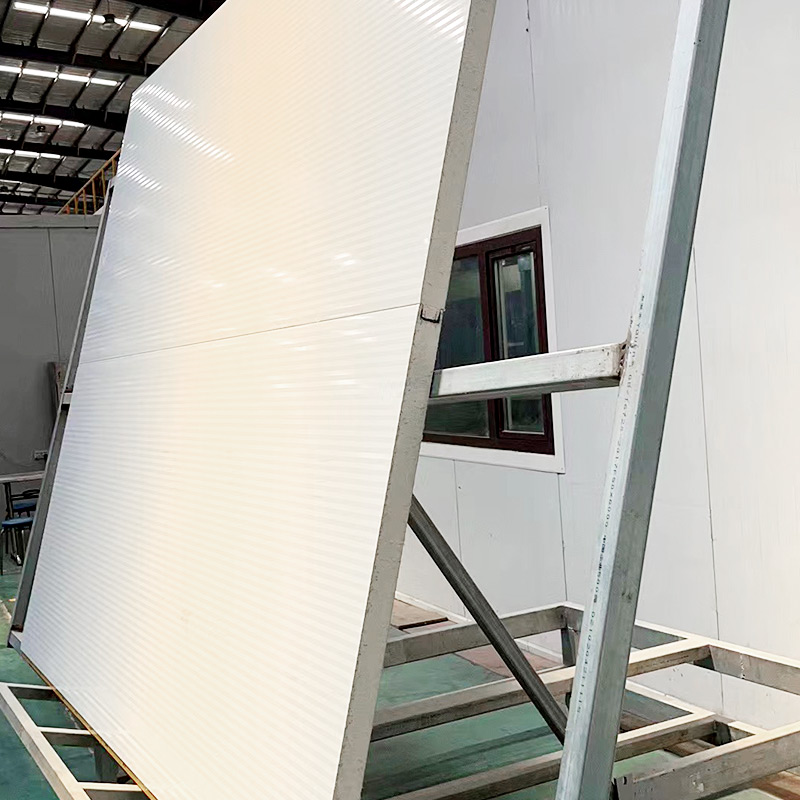
When it comes to modern construction materials, PIR sandwich panels have gained significant popularity due to their outstanding thermal insulation properties, fire resistance, and durability. These panels are particularly favored in the construction industry for both residential and industrial applications. With their superior performance and versatility, PIR sandwich panels are used in a variety of building types, including cold storage facilities, industrial warehouses, and even residential prefab houses.
In this guide, we will cover everything you need to know about PIR sandwich panels, including their composition, benefits, applications, and how they compare to other materials. We will also explore the latest trends in PIR panels and provide insights into their relevance in sustainable construction. Additionally, this article will address common questions and considerations when choosing PIR sandwich panels for your building projects.
What is a PIR Sandwich Panel?
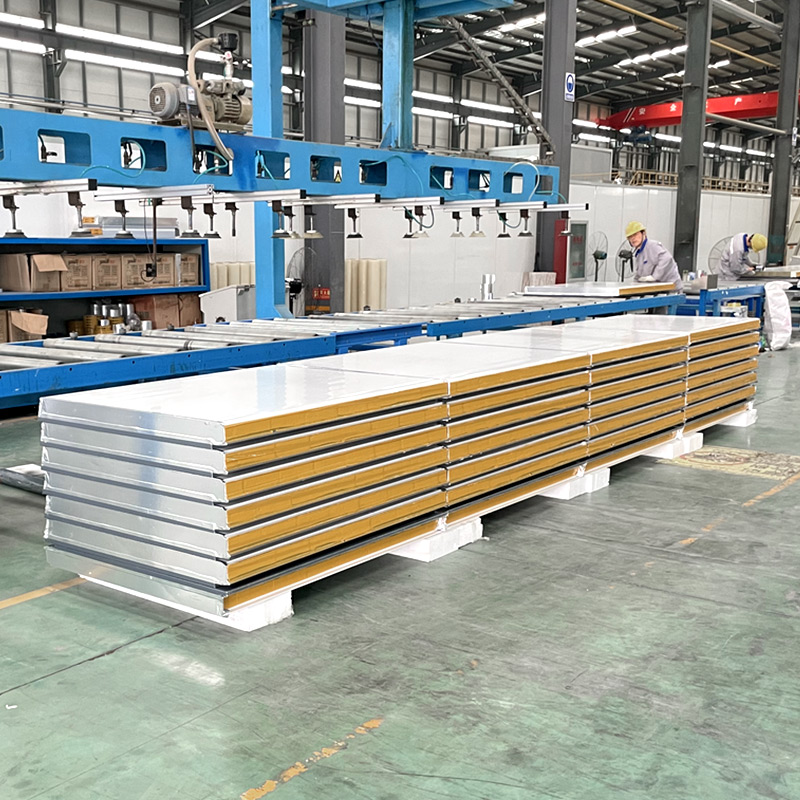
A PIR sandwich panel is a composite material consisting of two metal outer layers, typically made of galvanized steel or aluminum, with an inner core of polyisocyanurate (PIR) foam. PIR foam is produced by reacting polyether with an isocyanate, and it is known for its excellent fire-resistant and insulating properties. The foam core acts as the thermal barrier, preventing heat transfer and providing outstanding energy efficiency.
The metal skins of PIR panels serve as protective layers, offering mechanical strength and resistance to environmental factors such as wind, rain, and temperature fluctuations. The combination of these materials results in a lightweight yet highly durable building material suitable for a wide range of applications.
Properties of PIR Foam
Here are some key properties of PIR foam that make it an excellent choice for building applications:
Density: 40±2kg/m³
Compression strength (thickness direction): ≥140 Kpa
Bonding strength: ≥100 Kpa
Size stability: ≤1.5%
Cell closure rate: ≥90%
Water absorption rate: ≤3%
Thermal conductivity (K-value): ≤0.022 W/(m-K)
These properties make PIR foam one of the most efficient insulation materials available, offering low thermal conductivity, lightweight performance, and excellent shock resistance.
Benefits of PIR Sandwich Panels
1. Superior Thermal Insulation
One of the main advantages of PIR sandwich panels is their excellent thermal performance. The PIR foam core has a very low thermal conductivity, which helps reduce the need for heating and cooling in buildings. With a high R-value, PIR panels are highly effective in maintaining stable temperatures in both cold and hot environments, leading to significant energy savings.
2. Fire Resistance
PIR foam is inherently fire-resistant. It provides excellent protection against fire hazards, which is why PIR sandwich panels are widely used in fire-sensitive environments. The fire performance of PIR is significantly better than that of other foams like PUR (Polyurethane), as PIR foam resists combustion and prevents the spread of flames.
3. Lightweight and Easy to Install
Despite their robust insulation properties, PIR sandwich panels are lightweight, making them easier to transport and install compared to traditional building materials. The ease of installation reduces labor costs and construction time, making it a cost-effective choice for large projects.
4. Durability and Resistance to Moisture
The outer metal layers of PIR sandwich panels are highly resistant to corrosion, moisture, and impact. This makes them ideal for use in harsh environments. Additionally, the PIR core has low water absorption, which helps prevent the growth of mold and mildew inside buildings, a common concern with many other insulation materials.
5. Sustainability
PIR sandwich panels contribute to sustainable construction practices. The materials used in their production are CFC-free, and their high thermal performance helps reduce energy consumption over the lifetime of the building. This makes them a great choice for green building projects and for achieving energy efficiency certifications like LEED and BREEAM.
Applications of PIR Sandwich Panels
PIR sandwich panels are versatile and can be used in a variety of building types. Here are some of the most common applications:
1. Roofing Systems
PIR sandwich panels are widely used for roofing applications. Their excellent insulation properties make them perfect for maintaining temperature control in industrial and commercial buildings. They are commonly used for warehouses, factories, and distribution centers, providing an effective barrier against heat loss and heat gain.
2. Wall Panels
PIR sandwich panels are also frequently used for walls in commercial, industrial, and residential buildings. The panels provide a strong, insulated wall structure that helps keep indoor temperatures stable and reduces energy consumption. The ability to customize the thickness and finish of the panels makes them ideal for a variety of design requirements.
3. Cold Storage and Refrigeration
One of the primary uses of PIR sandwich panels is in cold storage facilities and refrigeration units. The low thermal conductivity of PIR foam ensures that cold temperatures are maintained effectively, reducing the need for additional energy to keep the environment cool.
4. Prefab Houses
PIR sandwich panels are commonly used in prefab houses and modular buildings due to their ease of installation and excellent insulation properties. These panels help create energy-efficient homes with stable indoor temperatures and reduced utility costs. The lightweight nature of PIR panels also makes them an ideal choice for modular construction, where quick assembly and transportability are key factors.
5. Clean Rooms and Medical Facilities
The use of PIR sandwich panels extends to clean rooms and medical facilities, where thermal insulation and moisture resistance are essential. The ability to maintain a controlled environment is crucial in these settings, and PIR panels are able to meet these stringent requirements.
PIR vs. PUR: A Comparative Analysis
PIR (Polyisocyanurate) and PUR (Polyurethane) are both types of foam used as insulation materials. While they have similar applications, PIR foam generally performs better than PUR foam in several key areas.
| Property | PIR Sandwich Panels | PUR Panels |
|---|---|---|
| Thermal Insulation | Excellent (K-value ≤ 0.022) | Good (K-value > 0.025) |
| Fire Resistance | High (Class 1) | Moderate |
| Stability | High (High temperature tolerance) | Moderate |
| Strength | Better mechanical strength | Lower mechanical strength |
| Moisture Resistance | High | Moderate |
| Production Temperature | Higher (Above 60°C) | Lower (Below 60°C) |
As seen in the table, PIR panels generally outperform PUR in terms of fire resistance, mechanical strength, and temperature stability. While PUR may be easier to produce and more cost-effective, PIR offers better overall performance, especially in environments where fire resistance and long-term durability are crucial.
Choosing the Right PIR Sandwich Panel for Your Project
Selecting the right PIR sandwich panels for your building project involves considering several factors:
1. Panel Thickness
The thickness of the PIR panel affects its insulation performance. Thicker panels provide better thermal insulation, which may be necessary for colder climates or buildings with higher energy demands. However, thicker panels may also increase the weight and cost of the structure.
2. Fire Safety Requirements
Depending on the type of building and its intended use, fire safety may be a critical factor in your selection. PIR sandwich panels offer superior fire resistance, making them ideal for use in high-risk areas such as industrial facilities and warehouses.
3. Moisture Resistance
Consider the environmental conditions of the project site. If the building will be exposed to high moisture or humidity levels, PIR sandwich panels are an excellent choice due to their low water absorption and resistance to mold and mildew.
4. Aesthetic Preferences
PIR sandwich panels come in a variety of finishes, including pre-painted steel, aluminum, and stainless steel. Choose the skin material and finish that aligns with the design aesthetics of your building, ensuring both performance and visual appeal.
5. Cost and Budget
While PIR sandwich panels are more expensive than other insulation materials like EPS or XPS, their superior performance and long-term energy savings make them a worthwhile investment. Weigh the initial cost against the expected energy savings over the life of the building.
FAQs
1. What are PIR sandwich panels made of?
PIR sandwich panels consist of two outer metal skins (usually steel or aluminum) with a core of polyisocyanurate foam, which provides excellent thermal insulation and fire resistance.
2. Are PIR sandwich panels suitable for residential buildings?
Yes, PIR sandwich panels are increasingly used in residential buildings, particularly in modular and prefab construction, due to their superior insulation properties, durability, and ease of installation.
3. What is the fire resistance of PIR sandwich panels?
PIR sandwich panels have high fire resistance, classified as Class 1 fire retardant materials. They are designed to resist combustion and prevent the spread of flames.
Conclusion
PIR sandwich panels are an ideal solution for modern construction, offering superior thermal insulation, fire resistance, and durability. These panels are suitable for a wide range of applications, including roofing, wall systems, cold storage, and prefab buildings. As a leading provider of PIR sandwich panels, Beijing Prefab Steel Structure Co., Ltd. offers high-quality products that meet the specific needs of your building projects. With years of experience in the industry, the company is committed to delivering reliable and energy-efficient solutions for the construction sector.


