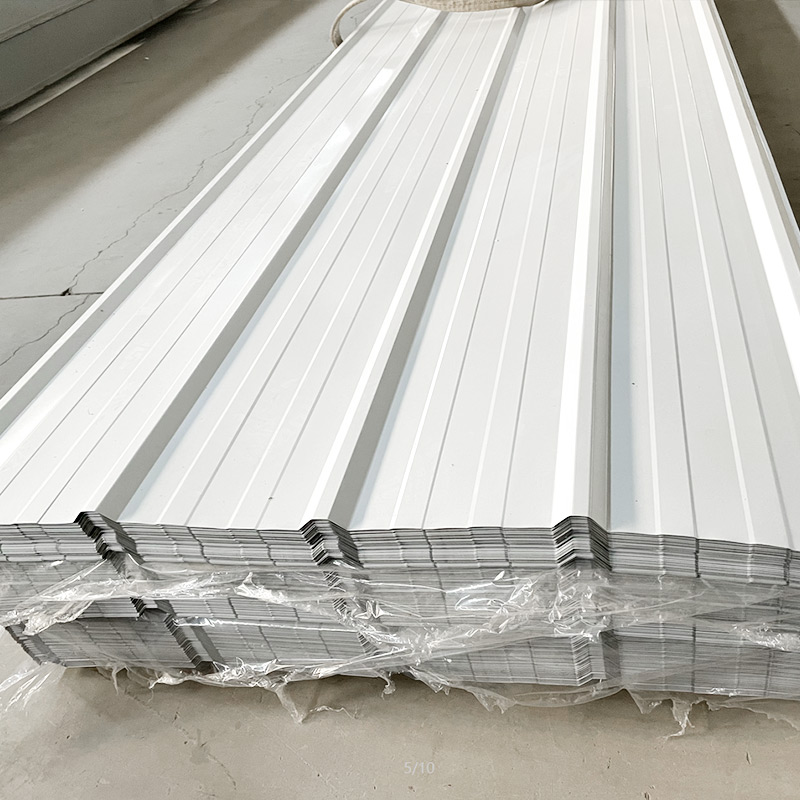
Pre-Painted Galvanized Iron (PPGI) steel, also known as PPGI steel sheet, has become a highly popular material due to its impressive durability, aesthetic appeal, and versatility. PPGI steel is primarily used in construction, home appliances, and automotive industries, thanks to its protective and decorative properties. This article will provide an in-depth understanding of PPGI steel, its production process, applications, benefits, and key features. We will also explore the differences between PPGI steel and other materials, helping you decide whether it's the right choice for your next project.
What is PPGI Steel?
PPGI stands for Pre-Painted Galvanized Iron. It refers to steel sheets that have been coated with a layer of zinc to prevent corrosion and then pre-painted for additional protection and aesthetic enhancement. The process of producing PPGI steel involves the use of galvanized steel as a base material, which is then coated with a layer of high-quality paint.
The primary benefit of PPGI steel sheets lies in their durability and corrosion resistance. The galvanizing process, which coats the steel with a thin layer of zinc, protects the underlying material from rust and oxidation. The paint applied on top enhances the aesthetic appeal, allowing for a wide range of colors and finishes.
The Production Process of PPGI Steel
The production of PPGI steel involves a series of steps:
Galvanization: The first step in the process is galvanization, where the steel sheet is coated with a layer of zinc. This step is crucial as the zinc layer provides excellent protection against rust and corrosion.
Cleaning and Pretreatment: After galvanization, the steel sheet undergoes cleaning and pretreatment to ensure the surface is smooth and free from impurities that could interfere with the paint adhesion.
Priming: A primer layer is then applied to improve the adhesion of the topcoat and further enhance the anti-corrosive properties of the steel.
Painting: A layer of high-quality paint is applied using a coil coating process. The paint can be customized to various colors and finishes, providing both functional protection and aesthetic appeal.
Curing: Finally, the coated steel sheet is cured in an oven to harden the paint, ensuring its long-lasting durability.
This combination of galvanization and painting makes PPGI steel a superior material for applications where both durability and appearance are crucial.
Key Benefits of PPGI Steel
PPGI steel offers numerous advantages, making it a preferred choice across multiple industries. Some of the most notable benefits include:
1. Corrosion Resistance
The galvanized coating on PPGI steel provides excellent protection against corrosion, even in harsh weather conditions. The zinc layer forms a protective barrier that prevents water, air, and other corrosive elements from coming into contact with the steel beneath, extending the lifespan of the material.
2. Aesthetic Appeal
The pre-painted surface of PPGI steel enhances the visual appeal of buildings, appliances, and automotive parts. It is available in a wide variety of colors, finishes, and textures, making it highly versatile for different design needs.
3. Lightweight and Strong
PPGI steel sheets are lightweight, making them easy to handle and transport. Despite their light weight, they are incredibly strong and can withstand substantial stress, making them ideal for construction and other industrial applications.
4. Cost-Effective
Because PPGI steel combines the benefits of galvanized steel and pre-painted finishes in one product, it can be more cost-effective than using separate materials for corrosion protection and decoration. The efficiency of the manufacturing process also contributes to its affordability.
5. Environmental Benefits
The process of galvanizing steel is relatively environmentally friendly, as it uses less energy compared to other forms of corrosion protection. Additionally, the longevity of PPGI steel reduces the need for frequent replacements, helping to minimize waste and reduce environmental impact.
Common Applications of PPGI Steel
1. Construction and Architecture
One of the most common uses of PPGI steel is in the construction industry. It is used for roofing, cladding, and wall panels, providing both aesthetic appeal and functional durability. The pre-painted finish allows for greater design flexibility, while the corrosion resistance ensures longevity in various environmental conditions.
2. Home Appliances
PPGI steel is often used in the manufacturing of home appliances such as refrigerators, washing machines, and microwave ovens. The material’s resistance to rust and corrosion, combined with its sleek appearance, makes it ideal for appliances that need to withstand frequent exposure to moisture and other elements.
3. Automotive Industry
In the automotive sector, PPGI steel is used for parts such as body panels, trim, and other components. Its strength and lightweight properties make it suitable for vehicles, where reducing weight without compromising on durability is essential.
4. Solar Panels
Another growing application for PPGI steel is in the construction of solar panel frames. The corrosion resistance and aesthetic finish are important for solar panel installations, as these materials are often exposed to outdoor elements for extended periods.
PPGI Steel vs. GI Steel: What's the Difference?
Galvanized Iron (GI) steel is another commonly used material in the construction and manufacturing industries. However, there are key differences between PPGI steel and GI steel that influence their selection for various applications.
| Feature | PPGI Steel | GI Steel |
| Corrosion Resistance | Higher due to pre-painted finish | High, but no protective paint |
| Aesthetic Appeal | Available in various colors and finishes | Plain, metallic finish |
| Durability | Longer lifespan due to paint layer | Slightly less durable without paint |
| Cost | Generally higher due to painting process | Lower cost, but requires additional coatings for aesthetic appeal |
| Applications | Used in roofing, walls, and appliances | Primarily for industrial applications |
As seen in the comparison above, PPGI steel is ideal for applications where both durability and aesthetics are important. GI steel, on the other hand, is more cost-effective but lacks the visual appeal of pre-painted finishes.
How to Choose the Right PPGI Steel for Your Project?
When choosing PPGI steel for your project, consider the following factors:
Application Requirements: Determine whether you need a specific color or finish for your project. PPGI steel comes in a wide range of colors, textures, and finishes, so selecting the right one can enhance the overall design.
Environmental Factors: Consider the environmental conditions your material will be exposed to. If your project is located in an area with high humidity or coastal climates, PPGI steel’s enhanced corrosion resistance may be essential.
Budget: While PPGI steel can be more expensive than galvanized steel, it provides additional value with its aesthetic appeal and long-lasting durability. Evaluate your project’s budget and long-term cost considerations before making a decision.
FAQs
1. What is the lifespan of PPGI steel?
The lifespan of PPGI steel largely depends on the quality of the galvanization and the environment it is used in. On average, it can last between 20 to 50 years with proper maintenance.
2. Can PPGI steel be used outdoors?
Yes, PPGI steel is highly resistant to corrosion, making it ideal for outdoor use in construction, roofing, and cladding. The pre-painted finish offers additional protection against harsh weather conditions.
3. Is PPGI steel environmentally friendly?
Yes, PPGI steel is considered environmentally friendly due to the energy-efficient galvanizing process and its long lifespan, which reduces the need for frequent replacements.
Conclusion
PPGI steel is an excellent material choice for a wide range of applications, including construction, home appliances, automotive, and solar panel frames. Its combination of corrosion resistance, aesthetic appeal, and cost-effectiveness makes it a highly versatile material. When selecting PPGI steel for your project, consider the specific requirements of your application, environmental conditions, and budget.
Beijing Prefab Steel Structure Co., Ltd., a leading manufacturer of high-quality steel materials, including PPGI steel, provides tailored solutions for all your building and construction needs. With over a decade of experience and a commitment to quality, the company ensures that each product meets the highest industry standards.


