Clean room sandwich panels are key. These panels ensure contamination control and structural integrity. In this post, you'll learn about their components, types, applications, and advantages.
Components of Clean Room Sandwich Panels
Core Materials Used
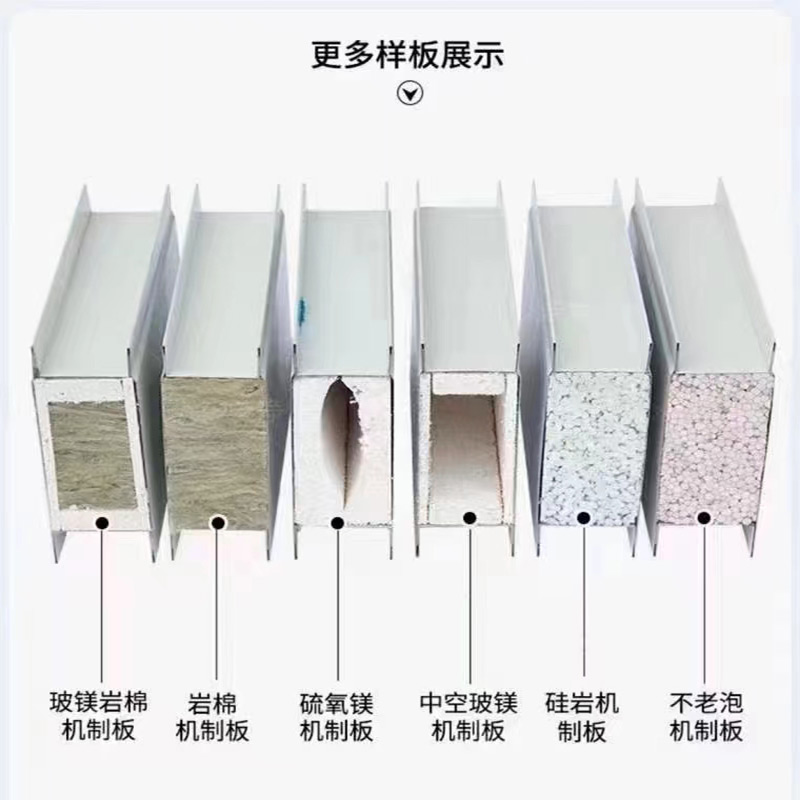
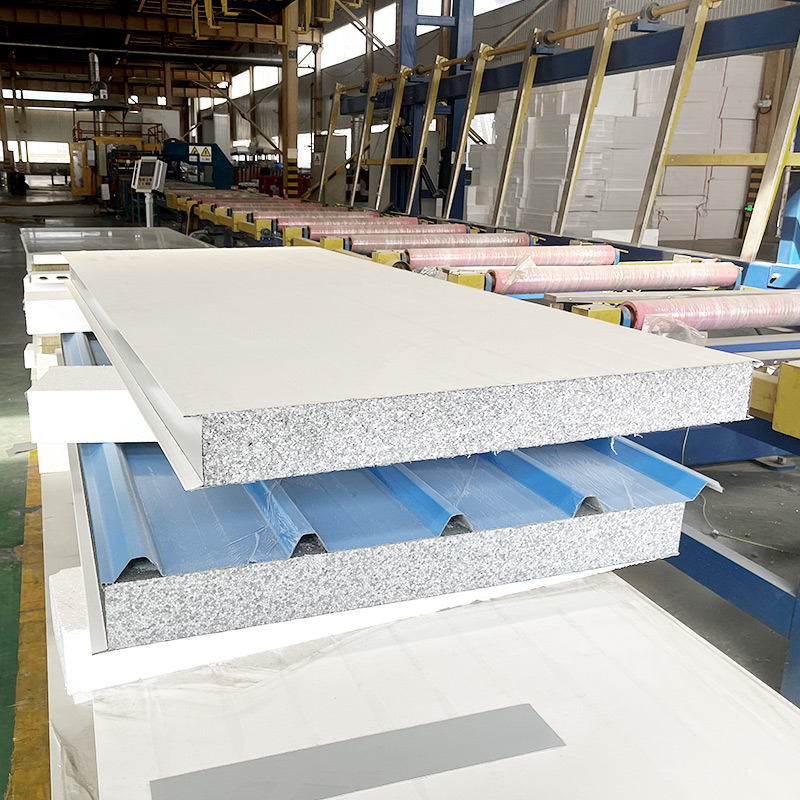
The core of a clean room sandwich panel plays a crucial role in its performance. Common core materials include polyurethane (PU) foam, polystyrene, and mineral wool. PU foam is popular due to its excellent thermal insulation and lightweight properties. Polystyrene offers good insulation but is less fire-resistant. Mineral wool provides superior fire resistance and sound insulation but adds weight. The choice depends on the clean room's specific needs, balancing insulation, fire safety, and structural demands.
Surface Layers and Their Functions
The surface layers of sandwich panels are designed to protect the core and maintain the clean room’s hygiene standards. Typically, these layers consist of galvanized steel or aluminum sheets coated with a smooth, non-porous finish. This finish resists dust, bacteria, and chemical contaminants, making cleaning easier and more effective. Some panels feature antimicrobial coatings to further reduce contamination risks. The surface must also withstand frequent cleaning agents without degrading.
Structural Integrity and Durability
Clean room sandwich panels must provide robust structural support while maintaining a lightweight profile. The combination of a solid core and strong surface layers ensures panels resist impacts, bending, and warping. This durability is vital for maintaining airtight seals and preventing contamination infiltration. Proper bonding between core and surfaces also prevents delamination, which could compromise panel integrity. Panels often undergo rigorous testing to meet industry standards for strength and longevity.

Types of Clean Room Sandwich Panels
Clean room sandwich panels come in several types, each designed to meet specific needs in hygiene, durability, and functionality. Understanding these types helps in selecting the right panel for your clean room environment.
PVC Ceiling Panels
PVC ceiling panels are lightweight and resistant to moisture and chemicals. Their smooth surface prevents dust accumulation and makes cleaning easy. These panels are ideal for clean rooms requiring moderate durability and where ceiling installations need to be quick and cost-effective. They also resist corrosion, making them suitable for environments exposed to humidity or cleaning agents.
PU Panels
PU (polyurethane) panels offer excellent insulation properties due to their dense foam core. They provide superior thermal resistance, helping maintain stable temperatures inside the clean room. PU panels also have strong structural integrity, making them suitable for walls and ceilings in high-performance clean rooms. Their closed-cell structure prevents moisture ingress, reducing contamination risks.
Heavy Duty Walkable Panels
Heavy duty walkable panels are designed to withstand foot traffic and mechanical loads. These panels are often used in clean rooms where maintenance or equipment access requires walking on the ceiling or elevated platforms. They feature reinforced surfaces and cores that resist bending and impact. This type ensures durability without compromising the clean room’s contamination control requirements.
Tip: Match panel type to your clean room’s specific function—use PVC for lightweight ceilings, PU for insulation, and heavy duty panels where durability and walkability are essential.
Applications of Clean Room Sandwich Panels
Industrial and Manufacturing Facilities
Clean room sandwich panels are essential in industrial and manufacturing settings where contamination control is critical. They create sealed environments that prevent dust, particles, and microbes from entering sensitive production areas. Industries such as electronics, pharmaceuticals, and aerospace rely on these panels to maintain product quality and comply with strict cleanliness standards. Their durability and insulation properties also help stabilize temperature and humidity, crucial for manufacturing processes.
Healthcare and Laboratories
Hospitals, clinics, and research laboratories use clean room sandwich panels to build sterile environments. These panels help reduce infection risks by providing smooth, non-porous surfaces that resist bacterial growth. They support critical areas like operating rooms, isolation wards, and pharmaceutical labs. Easy cleaning and resistance to harsh disinfectants make these panels ideal for maintaining hygiene and safety standards in healthcare settings.
Food Processing and Packaging
In food processing and packaging, hygiene is paramount to prevent contamination and ensure food safety. Clean room sandwich panels offer smooth, washable surfaces that comply with food safety regulations. They help maintain controlled environments free from dust, pests, and microbes. These panels also provide thermal insulation, helping preserve product freshness and quality. Their resistance to moisture and cleaning chemicals makes them well-suited for food industry clean rooms.
Advantages of Clean Room Sandwich Panels
Enhanced Hygiene and Contamination Control
Clean room sandwich panels excel at maintaining sterile environments. Their smooth, non-porous surfaces prevent dust and microbes from settling. Many panels feature antimicrobial coatings that inhibit bacteria growth. These properties reduce contamination risks, essential for industries like pharmaceuticals and food processing. The airtight seals between panels stop airborne particles from entering, preserving clean room integrity. Frequent cleaning does not damage these surfaces, ensuring long-term hygiene.
Energy Efficiency and Insulation
The core materials in sandwich panels provide excellent thermal insulation. This helps maintain stable temperatures inside clean rooms, critical for sensitive processes. Polyurethane foam cores, for example, have low thermal conductivity, reducing heating and cooling costs. Insulated panels also prevent moisture condensation, which could harbor contaminants. By improving energy efficiency, these panels lower operational expenses and support sustainable facility management.
Ease of Installation and Maintenance
Clean room sandwich panels are designed for quick installation. Their lightweight construction allows easy handling and fitting, speeding up construction timelines. Panels often come with interlocking edges or tongue-and-groove joints, ensuring tight seals and reducing installation errors. Maintenance is straightforward since panels resist stains and damage from cleaning agents. Repairs usually involve replacing individual panels instead of large sections, minimizing downtime.
Installation Process of Clean Room Sandwich Panels
Preparation and Planning
Before installation begins, thorough preparation is essential. Start by assessing the clean room layout and measuring the area accurately. Confirm panel types, sizes, and quantities to match the design specifications. Check the site conditions, ensuring surfaces are clean, dry, and level. Plan the installation sequence to minimize contamination risks, scheduling work during low-traffic periods if possible. Gather all necessary tools and materials, including sealants, fasteners, and safety gear. Coordinate with other contractors to avoid conflicts and ensure smooth workflow.
Step-by-Step Installation Guide
Frame SetupInstall the supporting framework or grid system according to design. This framework holds the sandwich panels securely and ensures proper alignment.
Panel PlacementBegin installing panels from one corner, fitting them tightly into the framework. Use tongue-and-groove or interlocking edges to create airtight seals.
Sealing JointsApply clean room-approved sealants or gaskets along panel joints. This prevents air leaks and contamination infiltration.
Fastening PanelsSecure panels with screws or clips specified for clean room environments. Avoid over-tightening, which can damage panels or warp surfaces.
Cutting and FittingTrim panels carefully to fit around fixtures, doors, and windows. Use clean, sharp tools to avoid rough edges that trap dust.
InspectionCheck all panels for proper alignment, tight seals, and surface integrity. Address any gaps or defects immediately.
Common Challenges and Solutions
Misalignment of PanelsSolution: Use laser levels and measuring tools during installation to maintain straight lines and even spacing.
Air Leakage at JointsSolution: Ensure sealants are applied evenly and joints are fully engaged. Consider double sealing in critical areas.
Damage During HandlingSolution: Handle panels gently, use protective gloves, and store panels flat to avoid warping or dents.
Delays Due to Site ConditionsSolution: Conduct a pre-installation site inspection. Address moisture, dust, or temperature issues before starting.
Difficulty Cutting Panels AccuratelySolution: Use specialized cutting tools designed for sandwich panels. Mark cuts clearly and practice on scrap pieces.
Maintenance and Care for Clean Room Sandwich Panels
Regular Cleaning Procedures
Maintaining clean room sandwich panels starts with regular cleaning. Use non-abrasive, mild detergents and disinfectants approved for clean room environments. Avoid harsh chemicals that could damage the panel surfaces or coatings. Clean surfaces using soft cloths or sponges to prevent scratches. Focus on joints and seams where dust and contaminants tend to accumulate. Schedule cleaning routines based on the clean room’s class and usage frequency—high-grade rooms require more frequent attention. Always ensure panels dry thoroughly after cleaning to prevent moisture buildup.
Inspection and Repair
Routine inspections help spot damage early and maintain panel performance. Check for surface cracks, dents, or delamination signs. Inspect seals and joints for gaps or wear that could allow contamination infiltration. Look for discoloration or corrosion, especially around fasteners and edges. Promptly repair minor damage using manufacturer-approved materials and methods to avoid larger issues. For severe damage, consider panel replacement to maintain clean room integrity. Keep detailed records of inspections and repairs to track panel condition over time.
Longevity and Performance Optimization
Proper maintenance extends panel life and ensures consistent clean room performance. Avoid heavy impacts or abrasive contact during cleaning or maintenance. Use protective covers during construction or equipment installation to prevent accidental damage. Control humidity and temperature inside the clean room to protect panel materials from warping or degradation. Train staff on proper handling and cleaning techniques to minimize wear. Periodically review maintenance protocols and update them based on operational experience and manufacturer recommendations.
Conclusion
Clean room sandwich panels offer enhanced hygiene, energy efficiency, and easy maintenance. They are vital in industries like healthcare and manufacturing. Future innovations may focus on improved materials and designs, enhancing panel performance. These panels are essential for contamination control, insulation, and durability. Beijing Prefab Steel Structure Co., Ltd. provides high-quality panels, ensuring reliability and value for clean room environments. Their products are designed to meet specific industry needs, offering superior contamination control and energy savings.
FAQ
Q: What is a Clean Room Sandwich Panel?
A: A Clean Room Sandwich Panel is a construction material used to create controlled environments. It consists of a core material sandwiched between two surface layers, designed for durability and hygiene in clean rooms.
Q: How are Clean Room Sandwich Panels used in healthcare settings?
A: Clean Room Sandwich Panels are used in healthcare settings to build sterile environments, such as operating rooms and labs, due to their non-porous surfaces that resist bacterial growth.
Q: Why are PU panels popular in clean room construction?
A: PU panels are popular in clean room construction because they offer excellent thermal insulation and structural integrity, making them ideal for maintaining stable temperatures and contamination control.
Q: What are the benefits of using Clean Room Sandwich Panels in food processing?
A: Clean Room Sandwich Panels benefit food processing by providing smooth, washable surfaces that comply with hygiene standards, helping prevent contamination and ensuring food safety.
Q: How do Clean Room Sandwich Panels compare to traditional building materials?
A: Clean Room Sandwich Panels offer superior insulation, hygiene, and ease of installation compared to traditional materials, making them ideal for environments requiring strict contamination control.