Introduction
In the modern construction world, the demand for energy efficiency and fire safety is at an all-time high. If you are looking for a material that balances thermal insulation with structural integrity, you have likely encountered the term PIR sandwich panel. But what exactly makes it a staple in industrial and commercial building projects?
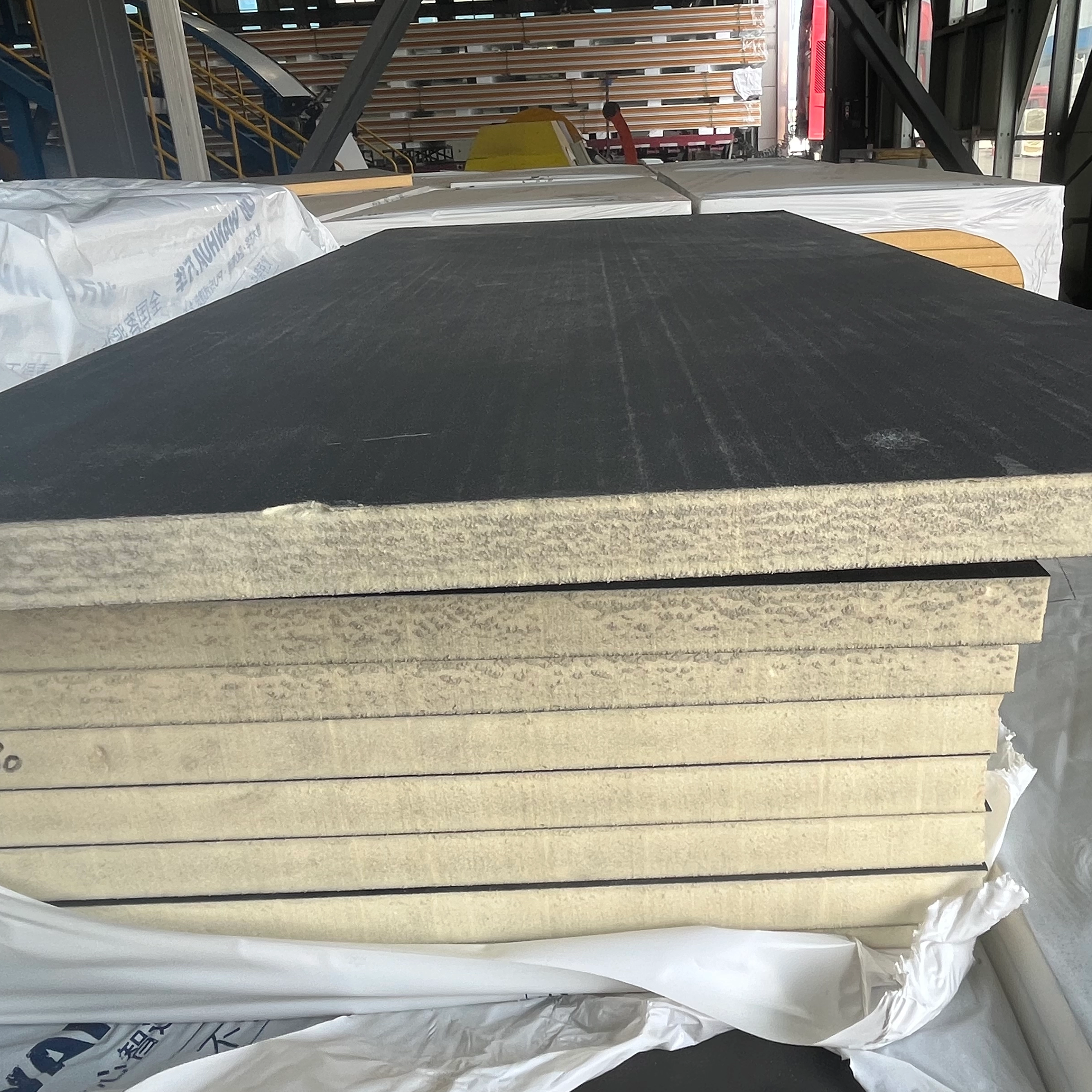
A sandwich panel is a composite building element consisting of two outer layers and a central core. The PIR version uses Polyisocyanurate (PIR) foam as its core. This material has rapidly overtaken traditional Polyurethane (PUR) options due to its superior chemical stability and fire resistance. Whether you are designing a cold storage facility, a high-tech warehouse, or a sustainable office building, understanding the mechanics of this sandwich panel is crucial for long-term ROI and safety compliance.
The Anatomy of a PIR Sandwich Panel
To understand what it is, we must look at how it is built. It isn't just a simple sheet of plastic; it is a highly engineered product designed to withstand environmental stress. The "sandwich" structure works because each component performs a specific job.
The Core: Polyisocyanurate (PIR)
The heart of the sandwich panel is the PIR foam. This is a thermoset plastic typically produced as a foam. Unlike standard Polyurethane, PIR is created through a specific chemical reaction that creates stronger molecular bonds. These bonds allow the material to resist higher temperatures without melting or dripping. It acts as the primary barrier against heat transfer, keeping the interior of a building cool in summer and warm in winter.
The Facing Materials
Most sandwich panel designs feature Corrugated metal skins. These skins are usually made of galvanized steel or Lightweight aluminum. They protect the core from UV rays, physical impact, and moisture. In specific environments, such as recording studios or noisy factories, an Acoustic perforated skin might be used to dampen sound. These facings are bonded to the core using high-strength adhesives, ensuring the entire unit acts as a single, rigid structural piece.
Thermal Performance and Energy Savings
Why do architects choose a PIR sandwich panel over other materials? The answer lies in the "R-value." The R-value measures how well a material resists heat flow. PIR has one of the highest R-values per inch of any building material available today.
| Property | PIR Core | Fireproof rock wool | Polyurethane (PUR) |
| Thermal Conductivity | ~0.022 W/mK | ~0.038 W/mK | ~0.025 W/mK |
| Fire Class | B-s1, d0 | A1 (Non-combustible) | B-s2, d0 |
| Weight | Lightweight | Heavy | Lightweight |
| Insulation Efficiency | High | Moderate | Moderate |
By using this sandwich panel, builders can achieve required insulation levels with thinner walls. This saves space and reduces the amount of structural steel needed to support the building. Over the lifespan of a warehouse, the energy savings from reduced HVAC usage often pay for the panels themselves. They create a seamless thermal envelope, especially when installed with high-quality joint systems that prevent air leakage.
Fire Resistance and Safety Standards
One common concern with foam-based insulation is fire safety. This is where the PIR sandwich panel shines compared to older PUR versions. While it is not "non-combustible" like Fireproof rock wool, it behaves exceptionally well under fire stress.
The Charring Effect
When exposed to flame, the PIR core doesn't melt like some plastics. Instead, it forms a carbonaceous "char" layer. This char acts as a protective shield, slowing down the spread of the fire into the core of the sandwich panel. This provides valuable time for occupants to evacuate and for emergency services to respond.
Regulatory Compliance
Most modern PIR panels meet FM Global or LPCB standards. These certifications are vital for insurance purposes. If you use a High density PIR core, you are essentially investing in a system that limits smoke production and flame spread. While Fireproof rock wool is still the king of pure fire protection, the PIR sandwich panel offers the best middle ground between fire safety and world-class insulation.
Installation Efficiency and Structural Strength
One of the biggest problems in construction is the timeline. Traditional brick-and-mortar or multi-layer wall assemblies take weeks to install. A sandwich panel system changes that dynamic completely.
Interlocking Joints
Most manufacturers design these panels with "tongue and groove" or "cam-lock" joints. They snap together quickly. Because the panels are manufactured in a factory to exact lengths, there is very little waste on-site. This speed of assembly makes the sandwich panel a favorite for B2B developers who need to get a facility operational as quickly as possible.
Load-Bearing Capabilities
Despite being relatively light, a PIR sandwich panel is incredibly strong. It can bridge long spans between structural supports. If you use Corrugated metal facings, the panel gains even more stiffness. It can withstand high wind loads and even support some weight from roof-mounted solar panels. This structural efficiency means you can use a lighter, cheaper steel frame for the overall building.
Specialized Applications: Beyond Standard Walls
The PIR sandwich panel is versatile. It isn't just for the exterior walls of a big-box store. Its unique properties allow it to be used in several "problem-solving" scenarios across various industries.
Cold Storage and Food Processing
In the food industry, temperature control is everything. A High density PIR core ensures that walk-in freezers stay at sub-zero temperatures with minimal energy loss. Furthermore, the metal skins are often coated with food-safe laminates that are easy to wash and resist bacterial growth.
Controlled Environments
For cleanrooms and laboratories, air tightness is a requirement. The precision engineering of the sandwich panel joints ensures a sealed environment. When combined with an Acoustic perforated interior skin, it can also create a quiet workspace for researchers or high-precision manufacturing.
Comparing Core Materials: PIR vs. The Alternatives
Choosing the right sandwich panel means knowing the trade-offs. While we focus on PIR, it is helpful to see where it sits in the broader spectrum of construction materials.
PIR vs. Polyurethane (PUR)
PIR is essentially the "next generation" of Polyurethane. While they look similar, PIR has a higher ratio of isocyanurate, which significantly improves its fire performance. Most insurance companies now prefer or even require PIR over PUR for commercial buildings.
PIR vs. Fireproof Rock Wool
Fireproof rock wool is made from volcanic rock. It is heavier and provides the best fire protection. However, it is not as good at insulating as PIR. If your primary goal is fire separation between two buildings, choose rock wool. If your goal is energy efficiency in a standalone warehouse, the PIR sandwich panel is the smarter choice.
PIR vs. Lightweight Aluminum Honeycomb
For aerospace or high-end interior design, people often use Lightweight aluminum honeycomb panels. These are exceptionally stiff but offer almost zero insulation. They are meant for strength, not for keeping a building warm.
Acoustic and Perforated Options
A common complaint with metal-faced buildings is "echo." Hard surfaces reflect sound. However, the sandwich panel market has evolved to solve this.
By using an Acoustic perforated facing on one side, sound waves can enter the panel. The PIR or wool core then absorbs the energy of the sound waves. This is common in power plants or sports halls. It prevents the building from becoming a giant echo chamber while still providing the thermal benefits of a standard sandwich panel.
Conclusion
The PIR sandwich panel represents the pinnacle of modern "all-in-one" construction. It solves the problems of heat loss, fire safety, and slow construction speeds. By combining the chemical resilience of Polyisocyanurate with the strength of Corrugated metal, it offers a durable, High density solution for any B2B project. While other options like Fireproof rock wool or Lightweight aluminum have their niche, the PIR core remains the most balanced choice for high-performance buildings.
FAQ
Q1: How long do PIR sandwich panels last?
Generally, they last 30 to 50 years. The PIR core does not degrade over time if the metal facings remain intact and protect it from moisture and UV light.
Q2: Are PIR panels eco-friendly?
Yes. Their high insulation value significantly reduces carbon emissions from heating and cooling. Many manufacturers also use pentane as a blowing agent, which has zero ozone depletion potential.
Q3: Can I use PIR panels for a residential home?
Absolutely. While more common in commercial builds, they are excellent for "passive house" designs due to their superior airtightness and thermal performance.
About Our Company
We operate as a world-class leader in the prefab steel and composite panel industry. Our factory is equipped with the latest continuous production lines, allowing us to manufacture sandwich panel solutions with unmatched precision. We don't just sell materials; we provide integrated engineering support for B2B clients globally. Whether you need Fireproof rock wool cores for high-risk zones or High density PIR for specialized cold chains, our strength lies in our rigorous quality control and massive production capacity. We understand the tight deadlines of large-scale construction, and we pride ourselves on being a reliable partner that delivers performance-tested products directly from our facility to your job site.


