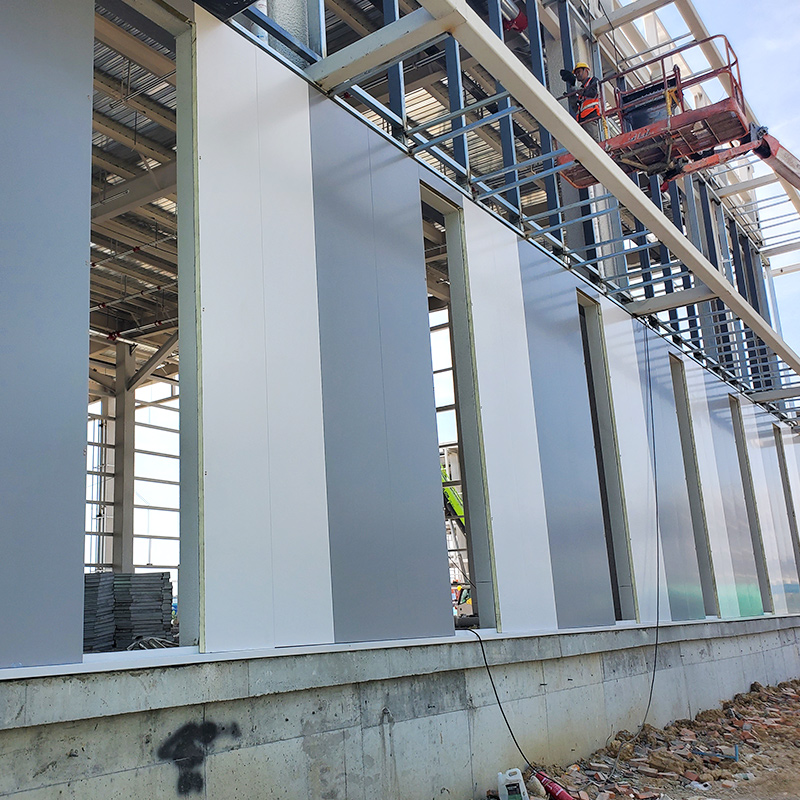
When planning a new construction project—whether for commercial, industrial, agricultural, or residential use—understanding the construction type is essential for budgeting, permitting, and long-term performance. Prefab metal buildings have emerged as a popular choice, but many people wonder: what construction type do they actually fall under?
This comprehensive guide explores the classification, characteristics, construction process, and benefits of prefab metal buildings, helping you understand why they represent a distinct and highly advantageous construction type.
What Is a Prefab Metal Building?
A prefabricated metal building (commonly referred to as a prefab metal building) is a structure that uses pre-engineered steel components manufactured off-site in a controlled factory environment and then assembled at the final construction site.
This construction type falls under the broader category of modular construction or pre-engineered steel buildings. Unlike traditional construction, where materials are delivered raw and fabricated on-site, prefab metal buildings arrive as finished components ready for assembly.
Key Distinction: Prefab vs. Traditional Construction
| Aspect | Prefab Metal Building | Traditional Construction |
| Component Fabrication | Off-site in factory | On-site from raw materials |
| Construction Time | 30–50% faster | Longer due to weather delays |
| Labor Requirements | Minimal on-site labor | High on-site labor |
| Material Waste | Significantly reduced | Higher waste generation |
| Quality Control | Factory-controlled | Variable based on site conditions |
Construction Type Classification
From a building code and engineering perspective, prefab metal buildings are typically classified as Type II (Non-Combustible) or Type III (Protected Non-Combustible) construction under the International Building Code (IBC). This classification is significant because it affects fire safety requirements, insurance rates, and permitted uses.
Type II: Non-Combustible Construction
Steel frames and metal panels are inherently non-combustible
Suitable for warehouses, factories, and commercial buildings
Offers excellent fire resistance without requiring additional fireproofing in many applications
Type III: Protected Non-Combustible
Key Characteristics of Prefab Metal Buildings
1. Pre-Engineered Design
Prefab metal buildings are not “one-size-fits-all.” Each structure is designed using advanced computer-aided design (CAD) software to meet precise specifications. Engineers calculate load requirements, wind resistance, snow loads, and seismic considerations to ensure the building meets local building codes.
Customization: Size, shape, roof pitch, and layout are tailored to the intended use
Optimization: Steel components are designed for maximum strength with minimal material usage
The primary framework of a prefab metal building is constructed from steel, offering unmatched strength-to-weight ratio. Steel components are typically joined using:
Welded connections: For permanent, rigid joints
Bolted connections: For easy assembly and future expansion
Screwed connections: For panel attachment and secondary framing
Steel provides inherent advantages:
Weather resistance: Withstands high winds, heavy snow, and seismic activity
Pest resistance: Unlike wood, steel is impervious to termites and rodents
Fire resistance: Steel does not burn, contributing to lower insurance premiums
Longevity: With proper maintenance, steel buildings can last 50+ years
3. Modular Construction
Prefab metal buildings utilize modular construction principles, meaning the building is composed of pre-manufactured sections or modules that are transported to the site and assembled. This approach offers:
Consistent quality: Factory-controlled production ensures precision
Reduced on-site work: Minimal cutting, welding, or fabrication needed
Scalability: Modules can be added or reconfigured as needs change
4. Quick Assembly
Because components are pre-cut, pre-drilled, and pre-finished, assembly time is dramatically reduced. A typical prefab metal building can be erected in days or weeks, compared to months for traditional construction.
Foundation requirements: Simple concrete slab or pier foundations
Labor efficiency: Smaller crews with specialized skills
Weather independence: Less affected by rain or cold during assembly
5. Cost-Effectiveness
Prefab metal buildings offer significant cost advantages:
Lower material costs: Steel is cost-stable and purchased in bulk
Reduced labor costs: Fewer on-site hours required
Minimal waste: Factory fabrication optimizes material usage
Predictable budgeting: Fixed costs from design to delivery
6. Versatility Across Applications
Prefab metal buildings serve a wide range of industries:
| Application | Example Uses |
| Commercial | Retail stores, offices, showrooms |
| Industrial | Warehouses, manufacturing plants, distribution centers |
| Agricultural | Equipment storage, livestock shelters, grain storage |
| Residential | Garages, workshops, accessory dwelling units (ADUs) |
| Aviation | Aircraft hangars, maintenance facilities |
| Institutional | Schools, community centers, churches |
7. Durability and Low Maintenance
Steel’s inherent durability translates to lower long-term maintenance costs. Unlike wood, steel does not rot, warp, or split. Properly coated steel resists corrosion, and modern finishes maintain their appearance for decades with minimal upkeep.
Detailed Construction Process
Phase 1: Design and Engineering
The process begins with a thorough needs assessment. Engineers use CAD and BIM (Building Information Modeling) to create detailed plans that account for:
Load requirements: Dead loads, live loads, wind loads, snow loads
Building codes: Local and international building code compliance
Site conditions: Soil composition, topography, climate factors
Custom features: Doors, windows, insulation, ventilation, mezzanines
Phase 2: Manufacturing
Once designs are finalized, fabrication begins in a controlled factory environment. Key manufacturing steps include:
Steel cutting: CNC plasma or laser cutting for precision
Drilling and punching: Pre-drilled holes for bolts and fasteners
Welding and assembly: Frame components welded or bolted into sub-assemblies
Surface treatment: Sandblasting and coating to prevent corrosion
Insulation integration: Optional factory-applied insulation panels
Phase 3: Transport and Logistics
Completed components are carefully packed and shipped to the construction site. Modern logistics ensure that materials arrive in sequence, ready for assembly.
Phase 4: On-Site Assembly
The assembly process is streamlined and efficient:
Foundation preparation: Concrete slab or pier foundation installed
Primary frame erection: Steel columns and rafters set in place
Secondary framing: Purlins, girts, and bracing installed
Panel installation: Roof and wall panels attached
Finishing: Doors, windows, insulation, and interior finishes added
Systems integration: Electrical, plumbing, and HVAC installed
Phase 5: Final Inspection and Handover
The completed building undergoes final inspection to ensure compliance with design specifications and building codes before occupancy.
Types of Prefab Metal Buildings
Steel Frame Buildings
The most common type, featuring a rigid steel skeleton of columns and beams. This design offers maximum flexibility in terms of interior space and can accommodate large clear spans without interior columns.
Best for: Warehouses, manufacturing facilities, large retail spaces
Arch Buildings
Curved, arch-like structures that provide exceptional strength with minimal materials. The arch shape naturally sheds snow and rain while offering high structural efficiency.
Best for: Agricultural storage, equipment shelters, salt storage
Quonset Hut Buildings
A subtype of arch building with a distinctive semicircular profile. Originally developed for military applications, Quonset huts are now widely used for cost-effective storage solutions.
Best for: Workshops, storage buildings, affordable housing
Modular Buildings
Composed of pre-assembled, standardized sections or modules that are connected on-site. These can be single-module units or combined into larger complexes.
Best for: Office spaces, classrooms, healthcare facilities
Clear Span Buildings
Designed with no interior columns, creating completely open floor space. This configuration is essential for applications requiring unobstructed interior areas.
Best for: Aircraft hangars, sports facilities, large assembly spaces
Benefits of Prefabricated Metal Buildings
Speed of Construction
Prefab metal buildings can be erected 30–50% faster than traditional construction. This accelerated timeline means:
Cost-Effectiveness
Multiple factors contribute to lower overall costs:
Bulk purchasing of materials
Reduced on-site labor hours
Minimized material waste (typically 5–10% vs. 20–30% for traditional construction)
Lower insurance premiums due to fire-resistant materials
Energy Efficiency
Modern prefab metal buildings can achieve excellent energy performance through:
High-quality insulation: Insulated metal panels (IMPs) or fiberglass batts
Cool roof coatings: Reflective finishes that reduce cooling costs
Daylighting systems: Skylights and translucent panels reduce artificial lighting needs
HVAC integration: Pre-engineered openings for efficient system installation
Sustainability
Steel is one of the most sustainable construction materials available:
Recycled content: Most steel contains 30–50% recycled material
100% recyclable: Steel can be recycled indefinitely without loss of properties
Reduced waste: Factory fabrication minimizes site waste
Energy efficiency: Lower operational energy consumption
Design Flexibility
Modern prefab metal buildings are far from the plain, utilitarian structures of the past. Customization options include:
Architectural finishes: Stone, brick, stucco, or wood accents
Color options: Wide range of pre-finished panel colors
Roof styles: Gable, hip, flat, or mono-slope
Interior finishes: Drywall, paneling, suspended ceilings
Comparing Prefab Metal Buildings to Other Construction Types
| Factor | Prefab Metal | Wood Frame | Concrete Masonry |
| Construction Speed | Fast | Moderate | Slow |
| Initial Cost | Moderate | Low–Moderate | High |
| Long-Term Maintenance | Low | High (rot, pests) | Moderate |
| Fire Resistance | Excellent | Poor | Excellent |
| Design Flexibility | High | High | Limited |
| Clear Span Capability | Up to 300+ ft | Limited | Moderate |
| Sustainability | High (recyclable) | Moderate | Low |
FAQ
Q: Is a prefab metal building considered permanent construction?
A: Yes. Prefab metal buildings are permanent structures that meet international building codes and can be financed, insured, and permitted like any other building type.
Q: What foundation is required for a prefab metal building?
A: Most prefab metal buildings require a concrete slab foundation. Some smaller structures can use pier foundations. The foundation type depends on building size, soil conditions, and local building codes.
Q: Can prefab metal buildings be insulated?
A: Yes. Prefab metal buildings can be insulated with fiberglass batts, spray foam, or insulated metal panels (IMPs), achieving energy efficiency comparable to or exceeding traditional construction.
Q: How long do prefab metal buildings last?
A: With proper maintenance, prefab metal buildings can last 50 years or more. The steel structure itself is extremely durable, and modern coatings protect against corrosion for decades.
Q: Are prefab metal buildings hurricane-resistant?
A: Yes. Prefab metal buildings can be engineered to withstand high winds, including hurricane-force winds and seismic activity. They are commonly used in coastal and high-wind regions.
Q: Can prefab metal buildings be expanded later?
A: Yes. One advantage of steel construction is the ability to add additional bays or modules later. The pre-engineered design can incorporate future expansion plans.
Conclusion
Prefab metal buildings represent a distinct construction type—pre-engineered, non-combustible steel structures that combine the efficiency of off-site manufacturing with the durability of steel. They fall under Type II or Type III construction classifications, offering fire resistance, strength, and longevity that traditional building methods struggle to match.
Whether you need a warehouse, manufacturing facility, agricultural building, or commercial space, prefab metal buildings deliver:
By understanding the construction type and characteristics of prefab metal buildings, you can make informed decisions that align with your project goals, budget, and long-term operational needs.


