Cold storage warehouses are critical infrastructure in the modern supply chain, preserving the quality and safety of perishable goods ranging from food products to pharmaceuticals. These specialized facilities require meticulous planning, stringent operational protocols, and adherence to regulatory standards to ensure optimal performance.
Whether you are developing a new facility or optimizing an existing one, understanding the essential guidelines for cold storage warehouse design and operation is imperative. This comprehensive guide explores the key considerations—from regulatory compliance and temperature control to energy efficiency, safety, and technological integration.
1. Regulatory Compliance and Industry Standards
Compliance with local and international regulations is the foundation of any cold storage operation. Failure to meet these standards can result in product spoilage, legal liabilities, and reputational damage.
Food Safety Standards
For food storage facilities, adherence to standards set by organizations such as the FDA (Food and Drug Administration) in the United States, the EFSA (European Food Safety Authority) in Europe, and local health authorities is mandatory. Key requirements include:
Strict temperature control parameters for different food categories
Hygienic facility design with easy-to-clean surfaces
Proper documentation and traceability systems
Regular sanitation and pest control programs
Pharmaceutical and Biotech Requirements
For pharmaceutical cold storage warehouses, the stakes are even higher. Compliance with Good Distribution Practices (GDP) and regulations from bodies like the WHO and national health authorities is essential. These facilities must maintain:
Temperature-controlled environments within narrow ranges (e.g., 2°C–8°C for vaccines)
Continuous temperature monitoring with redundant systems
Validated storage and handling procedures
Audit trails and complete documentation
2. Temperature Control and Monitoring Systems
Maintaining precise, consistent temperatures is the core function of any cold storage facility. Even minor fluctuations can compromise product integrity.
Refrigeration System Design
Cold storage warehouses require robust refrigeration systems sized appropriately for the facility’s volume, insulation levels, and ambient conditions. Options include:
Centralized systems: Ideal for large facilities, offering efficient operation
Distributed systems: Provide redundancy and localized control
Ammonia or CO₂ systems: Environmentally preferred refrigerants with high efficiency
Real-Time Monitoring and Alarms
Implementing real-time temperature monitoring systems is critical for early detection of fluctuations. Modern systems offer:
Wireless sensors placed throughout the facility
Automated alerts via SMS or email for temperature deviations
Cloud-based data logging for compliance documentation
Redundant sensors to ensure data integrity
For pharmaceutical applications, redundant monitoring systems with backup power are often required to meet regulatory standards.
3. Structural Design and Insulation
The physical structure of a cold storage warehouse directly impacts energy efficiency, temperature stability, and operational workflow.
Insulation Requirements
High-quality insulation is essential to minimize heat infiltration and reduce refrigeration load. Key considerations include:
Walls and roofing: Use of insulated metal panels (IMPs) with polyurethane (PUR) or polyisocyanurate (PIR) cores
Floor insulation: Critical to prevent frost heave and maintain temperature stability
Air curtains: Installed at loading docks to minimize cold air loss during door openings
Vapor barriers: Prevent moisture infiltration that can lead to ice formation and insulation degradation
Load-Bearing Capacity
Cold storage structures must support heavy loads, including:
High-density racking systems
Automated storage and retrieval systems (AS/RS)
Stacked pallets of frozen or refrigerated goods
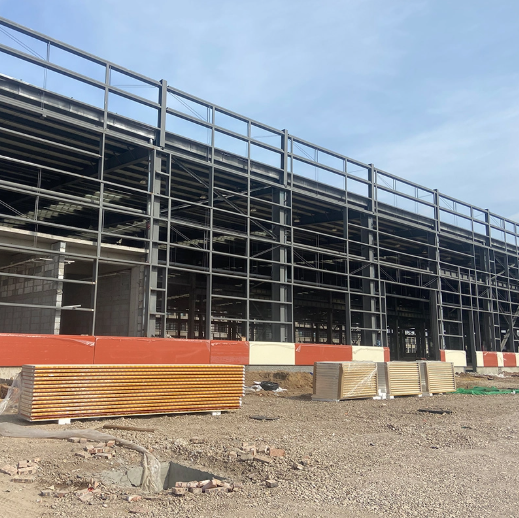
Structural steel frameworks—such as those manufactured by Beijing Prefab Steel Structure Co., Ltd.—offer the strength and durability required for these demanding applications.
4. Energy Efficiency and Sustainability
Cold storage warehouses are among the most energy-intensive facilities due to continuous refrigeration. Energy efficiency is therefore a critical operational and financial priority.
Energy-Efficient Technologies
Incorporating the following technologies can substantially reduce energy consumption:
LED lighting: Reduces heat output and energy use compared to traditional lighting
Variable frequency drives (VFDs): Optimize compressor and fan speeds based on demand
Energy management systems (EMS): Monitor and control energy usage across the facility
High-efficiency motors: Reduce electrical consumption for conveyors and material handling equipment
Sustainable Practices
Environmental responsibility is increasingly important. Consider:
Eco-friendly refrigerants: Low-GWP (Global Warming Potential) options like CO₂ or ammonia
Renewable energy integration: Solar panels on roof structures
Heat recovery systems: Capture waste heat for office heating or defrost cycles
Recyclable materials: Steel structures are 100% recyclable, supporting sustainability goals
5. Material Handling and Storage Systems
Efficient material handling is essential for maintaining cold chain integrity and operational productivity.
Automated Storage and Retrieval Systems (AS/RS)
AS/RS systems maximize space utilization and reduce labor requirements. These systems:
Operate in temperature-controlled environments
Minimize the time goods spend outside optimal conditions
Improve inventory accuracy and traceability
Layout and Workflow Optimization
Proper facility layout reduces handling times and minimizes the risk of accidents. Key principles include:
Dedicated zones: Separate areas for receiving, storage, picking, and shipping
Aisle width optimization: Balance accessibility with space efficiency
Cross-docking capabilities: Enable direct transfer from receiving to shipping
6. Safety Protocols and Worker Protection
Cold storage environments present unique safety challenges that require comprehensive protocols.
Ventilation and Air Quality
Proper ventilation prevents the buildup of hazardous gases, particularly in facilities using ammonia refrigeration. Key measures include:
Gas detection systems with audible alarms
Adequate ventilation rates
Emergency exhaust systems
Fire Safety
While cold storage facilities have reduced fire risk due to low temperatures, fire safety measures remain essential:
Fire-resistant insulation materials
Sprinkler systems designed for low-temperature operation
Clearly marked emergency exits and evacuation routes
Worker Safety
Employees working in cold environments face risks including hypothermia and slip hazards. Protective measures include:
Appropriate personal protective equipment (PPE) including insulated clothing
Anti-slip flooring
Regular breaks in warm areas
Training on cold stress recognition and prevention
7. Technological Integration and Automation
Advanced technology enhances operational efficiency, accuracy, and traceability in cold storage facilities.
Warehouse Management Systems (WMS)
A robust WMS provides real-time visibility into:
Inventory levels and locations
Expiration dates and lot numbers
Storage conditions and temperature history
Order fulfillment and shipping status
For pharmaceutical cold storage, WMS integration with temperature monitoring systems ensures complete traceability.
Automation and Robotics
Automation reduces human error and maintains cold chain integrity. Applications include:
Robotic picking systems: Improve speed and accuracy
Automated guided vehicles (AGVs): Transport goods without manual handling
Conveyor systems: Streamline movement between zones
8. Location and Accessibility
Strategic location selection optimizes distribution efficiency and reduces transportation costs.
Proximity to Transportation Hubs
Ideally, cold storage warehouses should be located near:
Major highways for truck access
Ports for international shipments
Airports for time-sensitive goods
Infrastructure Considerations
Evaluate local infrastructure including:
Reliability of electrical power supply
Availability of skilled labor
Access to maintenance and repair services
9. Security Measures
Protecting high-value inventory from theft and unauthorized access is essential.
Physical Security
Implement layered security measures:
Perimeter fencing and lighting
Access control systems with biometric or card-based entry
Surveillance cameras covering all entry points and storage areas
Inventory Security
For high-value items, especially in pharmaceutical storage:
Restricted access to sensitive areas
Audit trails for all inventory movements
Tamper-evident seals on storage units
10. Emergency Preparedness
Cold storage facilities must be prepared for emergencies that could compromise the cold chain.
Backup Power Systems
Uninterrupted power is critical. Essential measures include:
Standby generators: Sized to support all refrigeration and monitoring systems
Automatic transfer switches: Ensure seamless transition during power outages
Fuel storage: Sufficient for extended outages
Emergency Response Planning
Develop comprehensive emergency plans addressing:
Equipment failures and refrigeration breakdowns
Natural disasters such as floods or earthquakes
Product recall procedures
Communication protocols with stakeholders
11. Maintenance and Operational Efficiency
Regular maintenance ensures equipment longevity and prevents unexpected breakdowns.
Preventative Maintenance Programs
Establish scheduled maintenance for:
Refrigeration systems (compressors, condensers, evaporators)
Doors and dock equipment
Material handling equipment
Monitoring systems and sensors
Key Performance Indicators (KPIs)
Monitor operational efficiency through metrics such as:
Temperature compliance rate
Energy consumption per cubic meter
Order accuracy and fill rates
Equipment uptime
12. Staff Training and Management
Well-trained staff are essential for safe and efficient cold storage operations.
Training Programs
Comprehensive training should cover:
Safety procedures and emergency response
Proper handling of temperature-sensitive goods
Equipment operation
Hygiene and sanitation protocols
Continuous Improvement
Foster a culture of continuous improvement through:
13. Customization and Scalability
Designing for future growth ensures long-term value.
Scalable Design
Consider:
Modular construction for phased expansion
Flexible racking systems adaptable to changing inventory profiles
Provisions for additional refrigeration capacity
Customization Options
Cold storage facilities can be customized for specific industries:
Food storage: Multiple temperature zones for different product types
Pharmaceutical storage: Validated environments with redundant systems
E-commerce fulfillment: Integration with automated order processing systems
14. Cost Management Strategies
Balancing quality with cost efficiency requires strategic planning.
Lifecycle Cost Analysis
Consider total cost of ownership, including:
Initial construction and equipment costs
Energy and operating expenses
Maintenance and repair costs
Depreciation and replacement
Leasing Options
For businesses seeking flexibility, cold storage warehouse for lease offers advantages:
Lower upfront capital investment
Access to specialized facilities
Flexibility to scale up or down as needs change
15. Collaboration with Experts
Engaging cold storage specialists ensures optimal design and operation.
Design and Engineering Partners
Collaborate with professionals experienced in:
Companies like Beijing Prefab Steel Structure Co., Ltd. bring expertise in fabricating durable steel structures suitable for cold storage applications, ensuring quality, precision, and timely delivery.
Conclusion
Establishing and operating a cold storage warehouse requires meticulous attention to detail across multiple disciplines—from regulatory compliance and temperature control to structural design, energy efficiency, and safety. Whether serving the food industry, pharmaceutical sector, or general logistics, adherence to these guidelines ensures the preservation of goods, safety of personnel, and long-term operational success.
By integrating advanced technologies, sustainable practices, and expert collaboration, cold storage facilities can achieve optimal performance while meeting the evolving demands of a competitive market. Continuous assessment and improvement aligned with industry best practices will position your facility for sustained success.


