Introduction
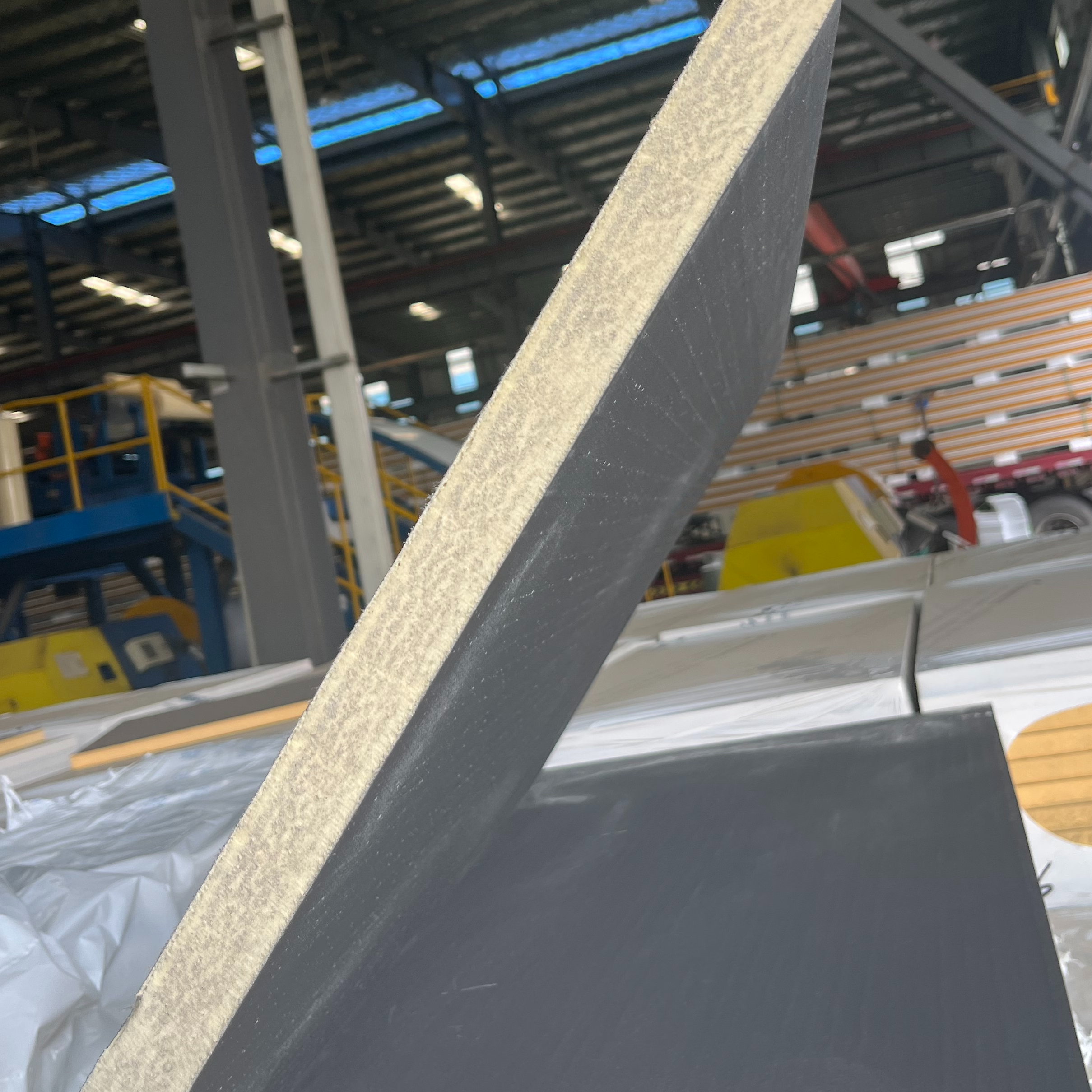
Installing a sandwich panel system is one of the most efficient ways to build modern, energy-efficient structures. Whether you are working on a cold storage facility, a warehouse, or a residential project, the process requires precision. A sandwich panel consists of two outer layers and a core, providing insulation and structural strength in one unit. Because they are often Lightweight aluminum or steel-faced, they allow for rapid construction.
However, many installers face challenges with thermal bridging, air leakage, or improper sealing. This guide focuses on the technical "how-to" of the installation process. We will cover everything from site preparation to the final flashing. By following these expert steps, you ensure your building remains weather-tight and structurally sound for decades.
Pre-Installation: Site Preparation and Material Handling
Before lifting the first sandwich panel, you must prepare the steel or concrete structure. It must be perfectly level and square. If the frame is crooked, the panels will not lock together correctly. This leads to gaps that ruin the thermal performance of a Polyurethane core.
Inspecting the Framework
Check the alignment of the purlins and girts. The maximum deviation usually allowed is about 5mm over a 10-meter span (needs verification based on local codes). If the framework is out of alignment, the Corrugated metal skin of the panels might buckle under pressure.
Storage and Safety
Keep your sandwich panel stacks off the ground on wooden sleepers. This prevents moisture from seeping into the edges. If you are using Fireproof rock wool panels, keeping them dry is even more critical, as water-logged wool loses its fire-rating and insulation value. Always use a crane with a vacuum lifter or nylon slings to avoid scratching the protective coating.
Essential Tools and Fasteners for a Perfect Fit
You cannot install a sandwich panel with standard household tools. Because these panels serve as the structural envelope, the fasteners must be high-quality.
Selecting the Right Screws
Fasteners must have an EPDM washer to create a water-tight seal. The length of the screw depends on the panel thickness. For example, a 100mm Polyurethane panel usually requires a 130mm or 150mm screw to penetrate the steel frame deeply enough.
Cutting Tools
Never use an angle grinder to cut a sandwich panel. The heat generated by the blade destroys the anti-corrosion coating on the Corrugated metal surface and can ignite the foam core. Instead, use a circular saw with a fine-tooth blade specifically designed for sandwich panels. This "cold cutting" method keeps the edges clean and prevents rust later.
| Tool Type | Purpose | Why It Matters |
| Vacuum Lifter | Moving Panels | Prevents dents and surface scratches. |
| Cold Cut Saw | Trimming | Maintains the integrity of the metal coating. |
| Drill with Torque Control | Fastening | Prevents over-tightening of EPDM washers. |
| Nibblers | Detail Work | Best for cutting holes for pipes or vents. |
The Step-by-Step Wall Installation Process
Wall installation usually starts from a corner. This provides a stable anchor point for the rest of the run. Whether you use horizontal or vertical orientation, the tongue-and-groove joint is the most important part.
Positioning the First Panel
Place the first sandwich panel on the base flashing. Use a spirit level to ensure it is 100% vertical. We recommend applying a bead of non-setting butyl sealant inside the female joint before sliding the next panel in. This creates an airtight barrier, which is vital for Acoustic perforated panels used in soundproofing.
Securing the Joint
Push the next panel firmly into the first one. You should hear or feel the "click" of the joint. If the panels are High density units, they might require a specialized pulling tool to close the gap completely. Once seated, drive the fasteners through the panel into the support structure. Do not over-tighten; the washer should be compressed but not deformed.
Master the Roof Installation: Ensuring Water Tightness
Roofing with a sandwich panel is different because you must account for water runoff and snow loads. Most roof panels feature a Corrugated metal top profile to channel water away.
Overlap and Sealing
If your roof is longer than a single panel, you must overlap them. The top panel should overlap the bottom one by at least 200mm (depending on the pitch). Apply two rows of sealant tape between the overlap. This prevents "capillary action," where water gets sucked upward under the panels during heavy rain.
Side Laps
The longitudinal joint (side lap) is where most leaks happen. Ensure the overlapping rib of the sandwich panel sits snugly over the underlapping rib. Use "stitch screws" every 300mm to 500mm along the rib to keep the joint tight. This is especially important for Lightweight aluminum panels that might expand more in the sun.
Thermal Bridging and Sealing Techniques
A sandwich panel is only as good as its seals. Even a High density insulation core fails if heat escapes through the joints. This "thermal bridging" can cause condensation and mold inside the building.
The Importance of Insulation Continuity
Secondary Sealing Strategies
When installing Polyurethane panels, the foam-to-foam contact must be tight. If you see a gap larger than 3mm, fill it with low-expansion spray foam. After the foam cures, trim it flush and cover it with a joint cover or flashing.
For Acoustic perforated panels, sealing is even more complex. You must ensure the sound-dampening core isn't bypassed by air gaps. Use specialized acoustic sealants at the base and head of every wall. We find that using a double line of sealant tape provides the best results for both air and sound insulation.
Finishing Touches: Flashings and Trims
Flashings are the "jewelry" of the building, but they also serve a critical protective role. They cover the exposed core of the sandwich panel at corners, windows, and doors.
Corner Flashings
Install internal and external corner trims using rivets or small self-tapping screws. These trims protect the Fireproof rock wool or foam from UV rays and mechanical damage. Without flashings, the core of the sandwich panel will degrade quickly.
Drip Edges and Gutters
At the base of the wall, a drip edge prevents rainwater from running under the panel and into the foundation. Similarly, roof gutters must be attached to the structural frame, not just the Corrugated metal skin of the panel. This ensures that when the gutters are full of water or ice, they don't tear the panel face.
Quality Control and Maintenance Post-Installation
After the sandwich panel installation is complete, a final walkthrough is necessary. It is easier to fix a small mistake now than a leak six months later.
Post-Installation Checklist
Remove Protective Film: Do this immediately. If left in the sun, the glue can bake onto the Lightweight aluminum or steel, making it impossible to remove.
Clean Metal Filings: Swarf (metal shavings) from drilling will rust and stain the panel surface. Sweep the roof and walls thoroughly.
Check Washers: Look for over-compressed or "spinning" fasteners. Replace any that don't look right.
Long-term Maintenance
Even a High density panel system needs love. Check the seals every two years. Clear debris from the roof valleys and ensure the Corrugated metal hasn't been scratched. If you find a scratch, touch it up with matching paint to prevent the start of corrosion.
Conclusion
Successfully learning how to install a sandwich panel comes down to three things: alignment, sealing, and the right tools. By treating each sandwich panel as a precision component rather than just a "big brick," you create a high-performance building envelope. Whether you choose Fireproof rock wool for safety or Polyurethane for maximum insulation, the installation principles remain the same. Take your time, seal every joint, and your structure will stand the test of time.
FAQ
Q1: Can I install a sandwich panel vertically or horizontally?
Yes, most panels are designed for both. Horizontal installation often requires more care with the base flashing, while vertical installation is faster for tall warehouses.
Q2: What is the best way to cut a Fireproof rock wool sandwich panel?
Use a circular saw with a specialized sandwich panel blade. Avoid grinders, as the sparks can damage the panel coating and the dust is hazardous.
Q3: How many fasteners do I need per sandwich panel?
This depends on wind loads and panel width. Typically, you need 3 to 4 fasteners per support point (purlin or girt). Always consult the engineering plan for your specific site.
About Our Factory and Global Strength
We operate a world-class manufacturing facility dedicated to the production of high-quality steel structures and advanced panel systems. With decades of experience in the B2B sector, we understand that our clients need more than just a product; they need reliability and technical precision. Our factory utilizes fully automated production lines to ensure every sandwich panel—whether it features a Polyurethane core or Fireproof rock wool—meets the highest international standards for density and fire resistance.
We pride ourselves on our massive production capacity and our ability to customize solutions for complex industrial projects. From Lightweight aluminum finishes to Acoustic perforated designs for specialized environments, we have the technical strength to deliver on a global scale. We work closely with contractors and developers worldwide, providing not only the materials but also the engineering support necessary for successful project completion. When you choose us, you are partnering with a manufacturer that values quality as much as you do.


