In today’s fast-paced construction landscape, businesses and developers are constantly seeking building solutions that balance cost, speed, durability, and sustainability. Prefab steel structures have emerged as a leading choice, offering advantages that traditional construction methods simply cannot match.
From warehouses and factories to commercial buildings and agricultural facilities, prefab steel is revolutionizing the way we build. This comprehensive guide explores the key advantages of prefab steel structures, providing the insights you need to make informed decisions for your next project.
What Are Prefab Steel Structures?
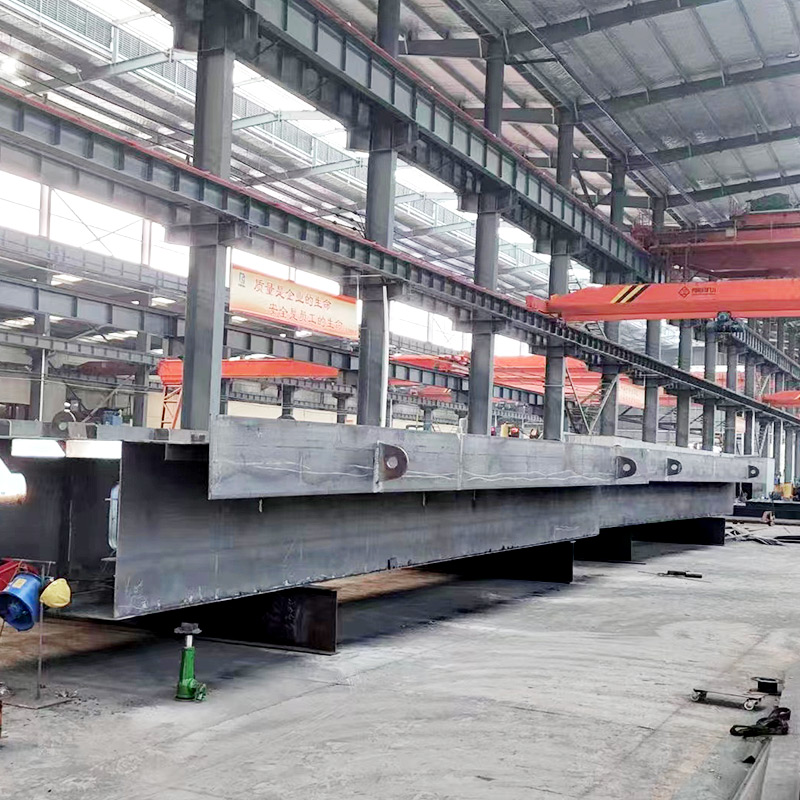
Prefab steel structures—short for prefabricated steel buildings—are structures where the primary components are manufactured off-site in a controlled factory environment and then assembled on-site. This construction method utilizes pre-engineered steel frames, panels, and roofing systems that are designed with precision using computer-aided design (CAD) software.
Unlike traditional construction, where materials are delivered raw and fabricated on-site, prefab steel buildings arrive as ready-to-assemble components, significantly streamlining the construction process.
1. Cost-Effectiveness: Lower Initial Investment and Long-Term Savings
Reduced Labor Costs
Traditional construction is labor-intensive, requiring skilled workers for framing, cutting, and assembly over extended periods. Prefab steel structures minimize on-site labor because components are pre-cut, pre-drilled, and pre-welded in the factory. Assembly requires fewer workers and less time, translating directly to lower labor costs.
Faster Construction Timeline
Time is money in construction. Prefab steel structures can be erected 30–50% faster than traditional buildings. While site preparation and foundation work occur simultaneously with off-site fabrication, the construction schedule is compressed, allowing businesses to:
Material Efficiency and Reduced Waste
Traditional construction generates significant material waste—often 20–30% of total materials. Prefab steel fabrication uses precision cutting and optimized nesting, reducing waste to 5–10%. This efficiency lowers material costs and contributes to sustainability goals.
Predictable Budgeting
With prefab steel, costs are fixed upfront. There are fewer surprises from weather delays, material price fluctuations, or on-site labor overruns. This predictability makes budgeting and financing more straightforward.
2. Durability and Longevity: Built to Last
Exceptional Strength-to-Weight Ratio
Steel offers one of the highest strength-to-weight ratios of any construction material. This means prefab steel structures can withstand:
High winds: Engineered for wind speeds up to 150+ mph
Heavy snow loads: Supports significant roof loads without structural failure
Seismic activity: Flexible steel frames absorb and dissipate seismic energy
Resistance to Environmental Threats
Unlike wood, steel is impervious to:
Termites and pests: No risk of infestation or structural damage
Rot and mold: Steel does not absorb moisture, eliminating decay
Fire: Steel is non-combustible, reducing fire risk and potentially lowering insurance premiums
Long Service Life
With proper maintenance—including periodic inspections and protective coating touch-ups—prefab steel structures can last 50 years or more. This longevity translates to lower lifecycle costs compared to wood or concrete structures that may require major repairs or replacement sooner.
3. Design Flexibility and Customization
Clear Span Capability
One of the most significant advantages of steel construction is the ability to create clear span interiors—open spaces free of interior columns. This is essential for:
Warehouses requiring unobstructed storage
Manufacturing facilities with large machinery
Aircraft hangars needing expansive door openings
Sports facilities and event spaces
Clear spans can reach 300 feet or more with steel, a capability unmatched by wood or traditional masonry.
Architectural Versatility
Modern prefab steel structures are far from the plain, utilitarian buildings of the past. Customization options include:
Multiple roof styles: Gable, hip, mono-slope, arched, or flat
Exterior finishes: Steel panels, stucco, brick, stone, or wood accents
Color options: Wide range of pre-finished panel colors
Interior finishes: Drywall, suspended ceilings, or exposed steel aesthetics
Easy Expansion and Modification
Business needs evolve, and steel structures adapt. Additional bays or modules can be added with minimal disruption to existing operations. This scalability provides long-term value and flexibility that traditional construction often lacks.
4. Speed of Construction: Faster Project Completion
Parallel Workflows
Prefab steel construction enables parallel processing: while the foundation is being prepared on-site, steel components are fabricated off-site. This concurrent workflow eliminates the sequential delays inherent in traditional construction.
Weather Independence
Rain, snow, and extreme temperatures can halt traditional construction for weeks. Prefab steel assembly is less weather-dependent because most fabrication is completed indoors. On-site assembly can proceed even in less-than-ideal conditions.
Reduced Site Disruption
With components arriving ready for assembly, the construction site remains cleaner and safer. Less time on-site means less disruption to neighboring businesses or communities.
5. Environmental Sustainability: A Green Building Solution
Steel Recyclability
Steel is the most recycled material on Earth. According to the World Steel Association, the global recycling rate for steel exceeds 85%. Prefab steel structures typically contain 30–50% recycled content, and at the end of their lifecycle, the steel can be recycled again without loss of properties.
Reduced Construction Waste
Factory fabrication generates minimal waste compared to on-site cutting and fitting. This waste reduction contributes to lower landfill contributions and supports green building certifications like LEED.
Energy Efficiency
Modern prefab steel buildings can achieve excellent energy performance through:
High-quality insulation: Insulated metal panels (IMPs) or fiberglass batts
Cool roof coatings: Reflective finishes reduce cooling loads
Daylighting systems: Skylights and translucent panels minimize artificial lighting needs
Thermal break technology: Prevents heat transfer through steel framing
Lower Carbon Footprint
The combination of recycled content, reduced waste, and energy efficiency makes prefab steel structures a lower-carbon alternative to traditional construction. As businesses face increasing pressure to meet sustainability targets, steel construction provides a tangible solution.
6. Safety and Risk Mitigation
Fire Safety
Steel does not contribute to fire spread. While steel can lose strength at extreme temperatures, fire-resistant coatings and proper design ensure structural integrity during fire events. This inherent fire resistance often results in lower insurance premiums.
Structural Reliability
Pre-engineered steel components are manufactured to precise tolerances, ensuring consistent quality. Every component is engineered to meet or exceed local building codes, reducing the risk of structural failure.
Worker Safety
Off-site fabrication reduces on-site hazards. Fewer workers, less heavy equipment, and reduced cutting and welding on-site create a safer construction environment.
Comparison: Prefab Steel vs. Traditional Construction
| Factor | Prefab Steel | Wood Frame | Concrete Masonry |
| Construction Speed | 30–50% faster | Moderate | Slow |
| Initial Cost | Moderate | Low–Moderate | High |
| Long-Term Maintenance | Low | High (rot, pests) | Moderate |
| Fire Resistance | Excellent | Poor | Excellent |
| Clear Span Capability | Up to 300+ ft | Limited | Limited |
| Design Flexibility | High | High | Limited |
| Recyclability | 100% recyclable | Limited | Limited |
| Insurance Premiums | Lower | Standard | Standard |
Applications Across Industries
Industrial and Manufacturing
Factories, warehouses, distribution centers, and manufacturing plants benefit from clear spans, high ceilings, and the ability to support overhead cranes and heavy equipment.
Commercial and Retail
Retail stores, office buildings, showrooms, and shopping centers utilize prefab steel for its cost-effectiveness and architectural versatility.
Agricultural
Equipment storage, livestock shelters, grain storage, and barns rely on steel’s durability against weather and pests.
Aviation
Aircraft hangars require clear spans and large door openings—capabilities perfectly suited to steel construction.
Residential
Garages, workshops, accessory dwelling units (ADUs), and even modern homes increasingly use steel framing for its strength and longevity.
Institutional
Schools, community centers, churches, and government buildings benefit from steel’s fire resistance and low maintenance requirements.
Case Study: Beijing Prefab Steel Structure Co., Ltd.
Beijing Prefab Steel Structure Co., Ltd. exemplifies the capabilities of modern prefab steel manufacturing. Established in 2012, the company operates a 34,000-square-meter production facility in Shandong Province, with:
21,000 square meters of workshop space
Five fabrication lines for prefab steel structures
Three production lines for PUR and PIR sandwich panels
Monthly production capacity exceeding 2,000 tons
Equipped with advanced machinery—including CNC cutting machines, high-power laser cutting machines, H-beam assembling machines, gantry welding machines, and blasting/de-rusting equipment—the company produces high-quality steel components for projects across Asia, Europe, Africa, and beyond.
Their commitment to quality, integrity, and after-sales service has established long-term partnerships with major state-owned enterprises such as CREC, CCCC, CNCCC, and CSCES.
FAQ
Q: Are prefab steel structures more expensive than traditional buildings?
A: While the upfront material cost of steel may be higher than wood, the total project cost is often lower due to reduced labor, faster construction, and minimal waste. Long-term savings from lower maintenance and insurance further improve the return on investment.
Q: How long do prefab steel structures last?
A: With proper maintenance, prefab steel structures can last 50 years or more. Modern protective coatings prevent corrosion, and the structural steel itself has an indefinite lifespan.
Q: Can prefab steel buildings be energy efficient?
A: Yes. When properly insulated with materials like PUR/PIR sandwich panels or fiberglass batts, prefab steel buildings can achieve energy efficiency comparable to or exceeding traditional construction.
Q: Are prefab steel structures safe in hurricanes or earthquakes?
A: Yes. Steel structures can be engineered to meet or exceed local building codes for wind and seismic loads. Steel’s ductility and strength make it an excellent choice for high-risk regions.
Q: Can prefab steel buildings be customized?
A: Absolutely. Prefab steel structures offer extensive customization options, including size, shape, roof style, exterior finishes, interior layouts, and insulation levels.
Q: Is steel construction environmentally friendly?
A: Yes. Steel is the most recycled material globally, with high recycled content and full recyclability. Prefab construction also generates significantly less waste than traditional building methods.
Conclusion
The advantages of prefab steel structures are clear and compelling. From cost-effectiveness and rapid construction to unmatched durability and environmental sustainability, steel offers a superior alternative to traditional building methods.
As the construction industry continues to evolve toward greater efficiency and sustainability, prefab steel structures are positioned to play an increasingly vital role. Whether you are constructing a warehouse, manufacturing facility, commercial building, or agricultural structure, prefab steel delivers the performance, flexibility, and value that modern projects demand.
For businesses seeking reliable, high-quality steel building solutions, partnering with experienced manufacturers like Beijing Prefab Steel Structure Co., Ltd. ensures access to cutting-edge fabrication technology, rigorous quality control, and the expertise needed to bring your project to life.


